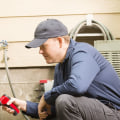
In today’s modern homes, the role of HVAC (Heating, Ventilation, and Air Conditioning) systems cannot be overstated. These systems are essential for maintaining a comfortable indoor environment, regardless of the weather outside. They not only regulate temperature but also play a crucial role in ensuring good air quality by filtering out pollutants and controlling humidity levels. Understanding the importance of HVAC systems is vital for homeowners who wish to create a safe and pleasant living space.HVAC systems work tirelessly to provide comfort throughout the year.
In winter, they keep us warm, while in summer, they offer a cool refuge from the heat. However, their benefits extend beyond mere temperature control. A well-functioning HVAC system can significantly improve indoor air quality by reducing allergens and airborne contaminants. This is particularly important for individuals with respiratory issues or allergies, as clean air can lead to better health outcomes.Moreover, regular maintenance of HVAC systems is essential to ensure their longevity and efficiency.
Just like any other mechanical system, HVAC units require periodic checks and servicing to operate at their best. Neglecting maintenance can lead to decreased performance, higher energy bills, and even premature system failure. By investing in routine maintenance through a reputable Just like any other mechanical system, HVAC units require periodic checks and servicing to operate at their best. Neglecting maintenance can lead to decreased performance, higher energy bills, and even premature system failure. By investing in routine maintenance through a reputable AC maintenance corporation, homeowners can enjoy peace of mind knowing that their systems are running efficiently and effectively.In summary, understanding HVAC systems and their importance is the first step toward ensuring a comfortable and healthy home environment. With the right care and attention, these systems can provide lasting benefits that enhance both comfort and air quality for years to come.
What is HVAC Maintenance?
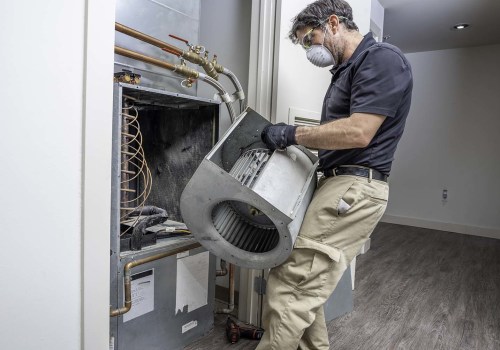
HVAC maintenance refers to the systematic process of inspecting, cleaning, and servicing heating, ventilation, and air conditioning systems to ensure they operate efficiently and effectively.Regular maintenance is essential for prolonging the lifespan of your HVAC system and enhancing its performance. By understanding what HVAC maintenance entails, homeowners can better appreciate its significance in maintaining a comfortable living environment.Typically, HVAC maintenance encompasses a variety of tasks that are designed to keep your system running smoothly. Here are some of the key components involved in comprehensive HVAC maintenance:
- Inspection of Components: A thorough inspection of all major components is crucial. This includes checking the furnace, air conditioner, heat pump, ductwork, and thermostat.
Technicians look for signs of wear and tear, leaks, or any other issues that could affect performance.
- Cleaning: Dust and debris can accumulate in various parts of your HVAC system. Regular cleaning of air filters, coils, and ducts is vital to prevent blockages that can hinder airflow and reduce efficiency. Dust and debris can accumulate in various parts of your HVAC system. Regular cleaning of air filters, coils, and ducts is vital to prevent blockages that can hinder airflow and reduce efficiency.
- Filter Replacement: Air filters play a critical role in maintaining indoor air quality. During maintenance visits, technicians will replace or clean filters to ensure optimal airflow and reduce allergens in your home.
- Lubrication: Many components within an HVAC system have moving parts that require lubrication to function properly. This helps minimize friction and wear, extending the life of the equipment.
- Tightening Connections: Over time, connections can become loose due to vibrations or temperature changes.
Technicians will check and tighten all electrical connections to ensure safety and efficiency.
- Testing System Performance: After completing maintenance tasks, technicians will test the system's performance. This includes checking the thermostat settings, measuring airflow, and ensuring that all safety controls are functioning correctly.
The Consequences of Neglecting HVAC Maintenance
Neglecting regular HVAC maintenance can lead to a cascade of problems that not only affect the performance of your system but also your wallet. Understanding these consequences is crucial for homeowners who want to maintain a comfortable living environment and avoid unexpected expenses.System Inefficiency
One of the most immediate effects of skipping HVAC maintenance is a significant drop in system efficiency.
Dust and debris can accumulate in filters and ducts, obstructing airflow and forcing your system to work harder to achieve the desired temperature. This inefficiency not only makes your home less comfortable but also leads to increased energy consumption.As your HVAC system struggles to perform, you may notice fluctuations in temperature, longer run times, and inconsistent heating or cooling. This can create an uncomfortable living environment, especially during extreme weather conditions.
Increased Energy Bills
With an inefficient system comes higher energy bills. When your HVAC unit is not operating at peak performance, it consumes more energy to maintain the same level of comfort.
Homeowners often find themselves facing unexpectedly high utility bills, which can strain their budgets over time. Regular maintenance helps ensure that your system runs efficiently, ultimately saving you money on energy costs.
Frequent Breakdowns
Another serious consequence of neglecting HVAC maintenance is the increased likelihood of system breakdowns. Just like any mechanical system, HVAC units are prone to wear and tear. Without routine inspections and servicing, small issues can escalate into major problems that require costly repairs or even complete system replacements.
- Compressor Failure: One of the most expensive components of an HVAC system is the compressor.
Neglecting maintenance can lead to compressor failure, which often requires a full replacement.
- Refrigerant Leaks: Over time, seals can wear out, leading to refrigerant leaks that not only reduce efficiency but also pose environmental hazards.
- Electrical Failures: Loose connections and worn-out electrical components can lead to short circuits or complete system failures.
Costly Repairs
The financial implications of neglecting HVAC maintenance extend beyond just higher energy bills. The cost of repairs can quickly add up if issues are not addressed promptly. For instance, a simple cleaning or filter replacement could prevent a much larger repair bill down the line.Moreover, some manufacturers require proof of regular maintenance for warranty claims. Failing to adhere to these guidelines could void your warranty, leaving you responsible for all repair costs.In conclusion, neglecting HVAC maintenance can lead to inefficiency, increased energy costs, frequent breakdowns, and expensive repairs.
By prioritizing regular upkeep through an HVAC maintenance corporation, homeowners can avoid these pitfalls and ensure their systems operate smoothly and efficiently.
Key Components of Regular HVAC Maintenance
Regular HVAC maintenance is essential for ensuring the longevity and efficiency of your heating and cooling systems. Understanding the key components of this maintenance can help homeowners take proactive steps in caring for their HVAC systems. Below is a detailed checklist of tasks that should be performed during regular HVAC maintenance.HVAC Maintenance Checklist
- Inspect and Replace Air Filters: One of the simplest yet most crucial tasks is to check the air filters. Clogged or dirty filters can restrict airflow, making your system work harder and less efficiently.
It’s recommended to replace or clean filters every 1-3 months, depending on usage and filter type.
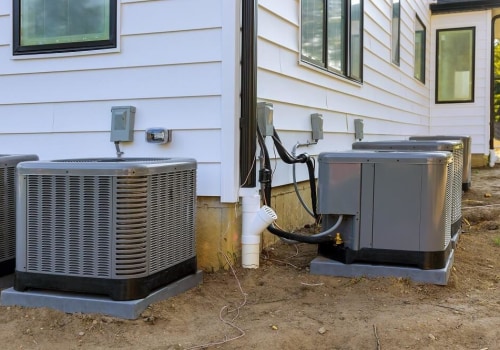
- Clean the Condenser Coils: The outdoor unit's condenser coils can accumulate dirt and debris over time. Cleaning these coils helps maintain optimal heat exchange, improving efficiency. This task should be done at least once a year.
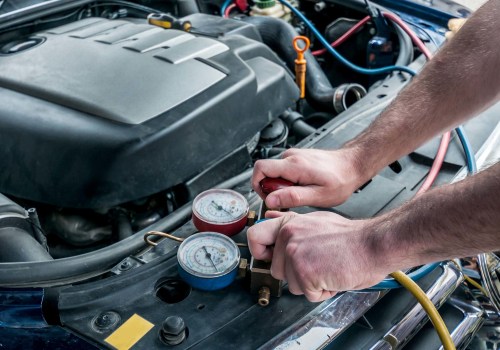
- Check Refrigerant Levels: Low refrigerant levels can indicate a leak, which can severely impact your system's performance. A qualified technician should check and recharge refrigerant levels as necessary.
- Inspect Ductwork: Leaks or blockages in the ductwork can lead to significant energy loss.
Inspecting and sealing ducts ensures that conditioned air reaches its intended destination without unnecessary waste.
- Test Thermostat Functionality: Ensure that your thermostat is functioning correctly by testing its accuracy and responsiveness. Consider upgrading to a programmable thermostat for improved energy management.
- Lubricate Moving Parts: Many components within your HVAC system have moving parts that require lubrication to prevent wear and tear. Regular lubrication reduces friction, enhancing performance and extending lifespan.
- Tighten Electrical Connections: Loose electrical connections can pose safety hazards and reduce system efficiency. During maintenance, all electrical connections should be inspected and tightened as needed.
- Inspect Safety Controls: Safety controls are critical for preventing accidents.
Regularly testing these controls ensures that they are functioning properly, providing peace of mind for homeowners.
How Often Should You Schedule HVAC Maintenance?
Determining how often to schedule HVAC maintenance is crucial for ensuring the longevity and efficiency of your system. While many homeowners may think that a single annual check-up is sufficient, the reality is that various factors can influence the ideal frequency of maintenance visits.General Recommendations
- For most residential HVAC systems, it is advisable to schedule maintenance at least once a year. This annual service typically occurs in the spring for air conditioning systems and in the fall for heating systems.
- However, if your system is older or has been experiencing issues, consider increasing the frequency to twice a year.
This proactive approach can help catch potential problems before they escalate into costly repairs.
Factors Influencing Maintenance Frequency
- Age of the System: Older HVAC systems may require more frequent inspections due to wear and tear. If your system is over ten years old, biannual maintenance is recommended.
- Usage Patterns: Homes that use their HVAC systems heavily, such as those in extreme climates or with large families, may benefit from more frequent maintenance. Increased usage can lead to faster accumulation of dust and debris, necessitating more regular cleaning and checks.
- Environmental Factors: If you live in an area with high levels of pollen, dust, or pollution, your HVAC system may need more frequent servicing. These particles can clog filters and ducts, reducing efficiency and air quality.
Seasonal Maintenance Tips
- Spring: Before the cooling season begins, check and replace air filters, clean outdoor units, and ensure that all components are functioning properly.
- Fall: As temperatures drop, inspect heating elements, clean ducts, and verify that thermostats are calibrated correctly.
Regular attention to your system not only enhances its performance but also contributes to a healthier indoor environment and lower energy costs.
Benefits of Regular HVAC Maintenance
Regular HVAC maintenance offers a multitude of benefits that extend beyond mere comfort. By investing in routine check-ups and servicing, homeowners can experience significant advantages that enhance both the efficiency of their systems and the quality of their indoor environment.Cost Savings
One of the most compelling reasons to prioritize HVAC maintenance is the potential for cost savings. When your system is well-maintained, it operates more efficiently, which can lead to lower energy bills. A clean and properly functioning HVAC system doesn’t have to work as hard to heat or cool your home, resulting in reduced energy consumption.
Over time, these savings can add up significantly.Moreover, regular maintenance helps identify minor issues before they escalate into major problems that require costly repairs or even complete system replacements. For instance, a small refrigerant leak or a malfunctioning thermostat can lead to inefficient operation and increased energy costs. By addressing these issues early through routine maintenance, homeowners can avoid unexpected expenses.
Enhanced Energy Efficiency
Another key benefit of regular HVAC maintenance is improved energy efficiency. Systems that are routinely serviced tend to have better airflow, optimal refrigerant levels, and clean components, all of which contribute to efficient operation.
For example, replacing dirty air filters can significantly improve airflow and reduce strain on the system. This not only enhances performance but also prolongs the lifespan of the equipment.In fact, studies have shown that well-maintained HVAC systems can operate at up to 30% greater efficiency than neglected systems. This means that not only do you save money on your utility bills, but you also reduce your carbon footprint, making your home more environmentally friendly.
Improved Indoor Air Quality
The quality of the air inside your home is crucial for your health and well-being. Regular HVAC maintenance plays a vital role in ensuring good indoor air quality.
Over time, dust, allergens, and pollutants can accumulate in your HVAC system and be circulated throughout your living space. This can exacerbate allergies and respiratory issues for you and your family.During maintenance visits, technicians clean and replace air filters, inspect ductwork for blockages, and ensure that all components are functioning correctly. These actions help minimize airborne contaminants and promote a healthier indoor environment. Additionally, maintaining proper humidity levels through effective HVAC operation can further enhance air quality by preventing mold growth.In summary, the benefits of regular HVAC maintenance are clear: from significant cost savings and enhanced energy efficiency to improved indoor air quality.
By prioritizing routine servicing with a reputable AC maintenance corporation, homeowners can enjoy a comfortable living environment while safeguarding their investment in their HVAC systems.
What to Expect During an HVAC Maintenance Visit
When you schedule an HVAC maintenance visit, it’s natural to wonder what the process entails and what you can expect from the technician. Understanding the steps involved can help alleviate any concerns and ensure that you are prepared for the visit.Initial Assessment
Upon arrival, the technician will typically begin with an initial assessment of your HVAC system. This may involve asking you a few questions about your system's performance, such as:
- Have you noticed any unusual noises?
- Are there any areas in your home that are not heating or cooling properly?
- When was the last time maintenance was performed?
Thorough Inspection
The technician will then conduct a comprehensive inspection of your HVAC system. This includes:
- Checking Air Filters: The technician will examine the air filters and replace them if they are dirty or clogged.
Clean filters are essential for optimal airflow and energy efficiency.
- Ductwork Examination: They will inspect the ductwork for any signs of leaks or blockages that could hinder airflow and reduce system efficiency.
- Outdoor Unit Inspection: If you have an air conditioning unit, the technician will check the outdoor condenser for debris, damage, or wear that could affect performance.
- Electrical Components Check: The technician will inspect electrical connections, ensuring they are secure and free from corrosion. This step is crucial for safety and system reliability.
- Thermostat Calibration: They will test the thermostat to ensure it is functioning correctly and accurately regulating your home’s temperature.
Performance Testing
After the inspection, the technician will perform various tests to assess your system's performance. This may include:
- Airflow Measurement: They will measure airflow to ensure that your system is distributing air evenly throughout your home.
- Refrigerant Levels Check: For air conditioning systems, checking refrigerant levels is vital to ensure efficient cooling. Low levels can indicate a leak that needs addressing.
- Safety Controls Testing: The technician will test safety controls to ensure they are functioning properly, which is essential for preventing hazardous situations.
Recommendations and Maintenance Report
Once all inspections and tests are complete, the technician will provide you with a detailed report of their findings.
This report may include:
- A summary of any issues discovered during the visit
- Recommendations for repairs or further maintenance
- Tips on how to maintain your HVAC system between visits
Choosing the Right AC Maintenance Corporation
When it comes to maintaining your HVAC system, selecting the right AC maintenance corporation is crucial. A reliable service provider can ensure that your system operates efficiently and lasts longer, while a poor choice can lead to subpar service and increased costs. Here are some essential tips to help you choose the best HVAC service provider for your needs.Research and Recommendations
Start by gathering recommendations from friends, family, or neighbors who have had positive experiences with HVAC companies. Online reviews and ratings on platforms like Google, Yelp, or Angie's List can also provide valuable insights into the reputation of various AC maintenance corporations.Look for companies with consistently high ratings and positive feedback regarding their service quality.
Check Credentials and Experience
Ensure that the company you are considering is licensed, insured, and certified. A reputable AC maintenance corporation should have technicians who are trained and certified by recognized organizations such as NATE (North American Technician Excellence). Additionally, inquire about their experience in the industry; companies with a long history often have a proven track record of reliability.Services Offered
Different HVAC companies may offer varying levels of service. Some may specialize in specific types of systems or brands, while others provide comprehensive maintenance packages.Make sure to choose a corporation that offers the specific services you need, such as:
- Routine maintenance checks
- Emergency repair services
- Duct cleaning and inspection
- Installation of new systems
Questions to Ask HVAC Technicians
Before hiring an AC maintenance corporation, prepare a list of questions to ask during your initial consultation. This will help you gauge their expertise and customer service. Consider asking:- What is included in your maintenance plan?
- How do you handle emergency repairs?
- Can you provide references from previous clients?
- What warranties or guarantees do you offer on your services?
- How do you determine pricing for maintenance services?
Common Myths About HVAC Maintenance Debunked
When it comes to HVAC maintenance, several myths and misconceptions can lead homeowners to neglect this essential service. Understanding the truth behind these myths is crucial for ensuring your heating and cooling systems operate efficiently and effectively.Myth 1: HVAC Maintenance is Only Necessary When Problems Arise
Many people believe that they only need to schedule maintenance when their system shows signs of trouble.
This misconception can be detrimental. Regular maintenance is designed to prevent issues before they escalate into costly repairs. Just like routine check-ups at the doctor can catch health problems early, regular HVAC maintenance can identify potential issues before they disrupt your comfort.
Myth 2: Changing Air Filters is Enough
While changing air filters is a vital part of HVAC upkeep, it is not the only task that should be performed. Filters trap dust and allergens, but they do not address other critical components of your system, such as the coils, ducts, and electrical connections.
A comprehensive maintenance plan includes cleaning and inspecting all parts of the system to ensure optimal performance.
Myth 3: DIY Maintenance is Just as Effective
Some homeowners may feel confident in performing their own HVAC maintenance tasks. However, without the proper training and tools, DIY efforts can lead to more harm than good. Professional technicians have the expertise to identify issues that may not be visible to the untrained eye. They also have access to specialized equipment that can enhance the efficiency of your system.
Myth 4: HVAC Maintenance is Too Expensive
While there is a cost associated with professional HVAC maintenance, it is a small price to pay compared to the potential expenses of major repairs or system replacements.
Regular maintenance can extend the lifespan of your equipment and improve energy efficiency, ultimately saving you money on utility bills.
Myth 5: New Systems Don’t Need Maintenance
Even if you have recently installed a new HVAC system, regular maintenance is still essential. New systems are not immune to wear and tear, and neglecting maintenance can void warranties. Ensuring that your new system receives proper care will help maintain its efficiency and longevity.By debunking these common myths about HVAC maintenance, homeowners can make informed decisions about their heating and cooling systems. Regular upkeep not only enhances comfort but also promotes energy efficiency and prolongs the life of your equipment.
<strong>Conclusion</strong>
In summary, the significance of regular HVAC maintenance cannot be overstated.It serves as a proactive measure that not only enhances the efficiency and longevity of your heating, ventilation, and air conditioning systems but also ensures a safe and comfortable living environment. By engaging with a reputable AC maintenance corporation, homeowners can benefit from expert insights and services tailored to their specific needs.Regular maintenance visits allow trained technicians to identify potential issues before they escalate into costly repairs. This preventative approach is essential for maintaining the integrity of your HVAC system, ultimately saving you money in the long run. Moreover, a well-maintained system operates more efficiently, which translates to lower energy bills and a reduced carbon footprint.Another critical aspect of HVAC maintenance is its role in improving indoor air quality.
As dust, allergens, and pollutants accumulate in your system over time, they can adversely affect the air you breathe. Regular cleaning and inspections help mitigate these risks, creating a healthier atmosphere for you and your family.Furthermore, adhering to a consistent maintenance schedule can help you stay compliant with manufacturer warranties. Many warranties stipulate that regular servicing is necessary to keep them valid. Neglecting this requirement could leave you vulnerable to unexpected repair costs.In conclusion, investing in regular HVAC maintenance is not merely an option; it is a necessity for any homeowner who values comfort, safety, and efficiency.
By prioritizing this essential service, you ensure that your HVAC system operates at peak performance while safeguarding your home against potential issues. Don’t wait for problems to arise—schedule your maintenance visit today and enjoy peace of mind knowing that your home’s climate control system is in expert hands.