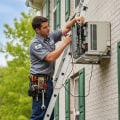
In the realm of home comfort, HVAC service contracts and maintenance plans play a pivotal role in ensuring that heating and cooling systems operate efficiently and reliably. These agreements, often provided by AC maintenance corporations, are designed to offer homeowners peace of mind by safeguarding their investments in HVAC equipment. By committing to regular maintenance, homeowners can significantly extend the lifespan of their systems while also enhancing energy efficiency, which translates to lower utility bills.Understanding the importance of HVAC maintenance is crucial for any homeowner. Regular service not only helps in identifying potential issues before they escalate into costly repairs but also ensures that your system is running at peak performance.
This proactive approach can prevent unexpected breakdowns during extreme weather conditions, which can be both inconvenient and uncomfortable. Moreover, many HVAC service contracts include comprehensive inspections and tune-ups that optimize system performance, ensuring that your home remains a sanctuary regardless of the season.Additionally, HVAC service contracts often come with added benefits such as priority scheduling for repairs and discounts on parts and labor. This can be particularly advantageous during peak seasons when HVAC companies are inundated with service requests. By investing in a maintenance plan, homeowners not only secure their comfort but also gain access to expert technicians who are familiar with their specific systems and needs.In summary, embracing an HVAC service contract is more than just a financial decision; it’s an investment in your home’s comfort and efficiency.
As you explore options with various AC maintenance corporations, consider how these plans can provide long-term benefits that far outweigh the initial costs. With the right maintenance strategy in place, you can enjoy a consistently comfortable living environment while minimizing the risk of unexpected HVAC failures.
What is an HVAC Service Contract?
An HVAC service contract is a formal agreement between a homeowner and an HVAC service provider that outlines the terms and conditions for the maintenance and repair of heating, ventilation, and air conditioning systems. These contracts are designed to ensure that your HVAC systems operate efficiently and effectively throughout their lifespan, providing peace of mind to homeowners.Typically, an HVAC service contract includes a variety of services that are performed on a scheduled basis. These services often encompass:- Regular Inspections: Scheduled visits by a qualified technician to assess the condition of your HVAC system.
- Preventive Maintenance: Routine tasks such as cleaning filters, checking refrigerant levels, and inspecting electrical components to prevent breakdowns.
- Priority Service: In the event of a system failure, contract holders often receive expedited service, minimizing downtime.
- Discounted Repairs: Many contracts offer reduced rates on repairs that may be needed outside of regular maintenance visits.
While a maintenance plan may simply outline periodic check-ups, a service contract typically includes more comprehensive coverage, including emergency repairs and parts replacement. This can be particularly beneficial for homeowners who want to avoid unexpected costs associated with system failures.There are various types of HVAC contracts available, each tailored to meet different needs:
- Basic Maintenance Contracts: These cover routine inspections and basic maintenance tasks but may not include repairs or parts replacement.
- Comprehensive Service Contracts: These provide extensive coverage, including all maintenance tasks, repairs, and sometimes even parts replacement.
- Seasonal Contracts: Focused on specific seasons, these contracts ensure that your heating system is serviced before winter and your cooling system before summer.
Benefits of HVAC Service Contracts
Investing in an HVAC service contract can yield numerous benefits that extend beyond mere convenience. Understanding these advantages can help homeowners make informed decisions about their heating and cooling systems.1.Cost Savings
- Preventive Maintenance: Regular maintenance helps identify potential issues before they escalate into costly repairs.
By addressing minor problems early, homeowners can avoid significant expenses down the line.
- Discounted Services: Many HVAC service contracts offer discounts on repairs and parts, which can lead to substantial savings over time. This is particularly beneficial for older systems that may require more frequent attention.
- Energy Efficiency: Well-maintained HVAC systems operate more efficiently, leading to lower energy bills. A service contract often includes tune-ups that optimize system performance, ensuring that your unit runs at peak efficiency.
2.Peace of Mind
- Priority Service: With a service contract, customers often receive priority scheduling for repairs and maintenance. This means that in the event of a breakdown, you won’t have to wait long for assistance.
- Expertise at Your Fingertips: Service contracts typically include access to trained professionals who understand the intricacies of your HVAC system.
This expertise can be invaluable when it comes to troubleshooting and resolving issues quickly.
- Regular Check-Ups: Scheduled maintenance visits ensure that your system is regularly checked and serviced, reducing the likelihood of unexpected breakdowns and providing peace of mind throughout the year.
3.Improved System Efficiency
- Longevity of Equipment: Regular maintenance extends the lifespan of your HVAC system. By keeping components clean and well-lubricated, you reduce wear and tear, allowing your system to function optimally for years.
- Enhanced Comfort: A well-maintained HVAC system provides consistent heating and cooling, ensuring that your home remains comfortable regardless of external weather conditions.
- Environmental Benefits: Efficient systems consume less energy, which not only saves money but also reduces your carbon footprint. This is an important consideration for environmentally conscious homeowners.
Key Components of a Maintenance Plan
When considering an HVAC maintenance plan, it’s crucial to understand the key components that should be included to ensure comprehensive coverage.A well-structured maintenance plan not only prolongs the lifespan of your heating and cooling systems but also enhances their efficiency. Here are the essential elements to look for:
- Regular Inspections: Scheduled inspections are vital. These should occur at least twice a year—once in the spring for air conditioning systems and once in the fall for heating systems. During these inspections, a qualified technician will assess the overall condition of your HVAC system.
- Filter Replacement: One of the simplest yet most effective maintenance tasks is changing or cleaning air filters.
A good maintenance plan should include regular filter replacements, as dirty filters can significantly reduce system efficiency and air quality.
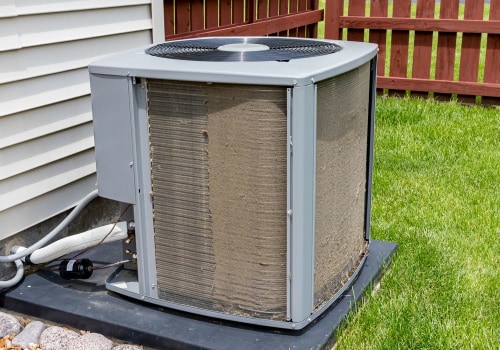
- Cleaning Coils and Fins: The evaporator and condenser coils can accumulate dirt over time, which impairs their ability to absorb and dissipate heat. A thorough cleaning of these components should be part of your maintenance checklist.
- Checking Refrigerant Levels: Proper refrigerant levels are essential for optimal cooling performance. Your technician should check for leaks and ensure that levels are within manufacturer specifications.
- Thermostat Calibration: An improperly calibrated thermostat can lead to inefficient operation. Regular checks and adjustments ensure that your system operates at the desired temperature settings.
- Electrical Component Inspection: This includes checking all electrical connections, tightening loose connections, and inspecting the capacitor and contactor for wear.
Electrical issues can lead to system failures if not addressed promptly.
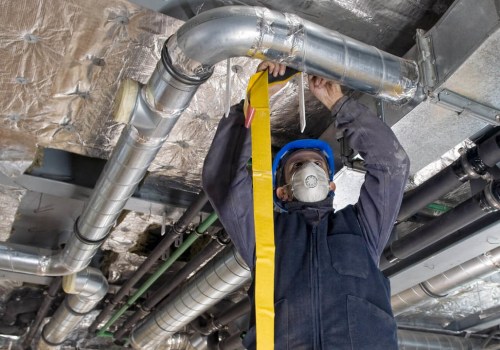
- Ductwork Assessment: Leaks or blockages in ductwork can severely impact system efficiency. A maintenance plan should include an evaluation of duct integrity and airflow.
- System Performance Testing: After maintenance tasks are completed, a performance test should be conducted to ensure that the system is operating efficiently and effectively.
How to Choose the Right HVAC Service Contract
Choosing the right HVAC service contract is crucial for ensuring the longevity and efficiency of your heating and cooling systems. With various options available, it’s essential to evaluate your specific needs and circumstances before making a decision.Here are some key factors to consider:
1.Equipment Age
The age of your HVAC system plays a significant role in determining the type of service contract you should choose. Older systems may require more frequent maintenance and repairs, making a comprehensive service plan more beneficial. If your equipment is nearing the end of its lifespan, consider a contract that offers extensive coverage for parts and labor, as this can save you from unexpected costs.2.Home Size
The size of your home directly impacts the complexity and demands of your HVAC system. Larger homes often have multiple units or zones, which may require tailored maintenance plans.When selecting a service contract, ensure it accommodates the specific needs of your home’s layout and size. A plan that covers multiple units or offers discounts for additional systems can be advantageous.
3.Climate Considerations
Your local climate significantly affects how often you use your HVAC system and its overall wear and tear. In regions with extreme temperatures, having a robust maintenance plan is essential to ensure your system operates efficiently year-round. Look for contracts that include seasonal check-ups to prepare your system for the demands of summer heat or winter cold.4.Frequency of Use
If you use your HVAC system frequently, it’s wise to invest in a more comprehensive service contract.Regular usage can lead to quicker wear on components, necessitating more frequent inspections and maintenance. A plan that includes regular tune-ups can help catch potential issues early, preventing costly breakdowns.
5.Budget
While it’s important to find a plan that meets your needs, budget constraints are also a reality for many homeowners. Compare different HVAC service contracts to find one that offers the best value without compromising on essential services. Look for plans that provide discounts on repairs or include additional perks like priority service during peak seasons.In conclusion, selecting the right HVAC service contract involves careful consideration of various factors such as equipment age, home size, climate conditions, usage frequency, and budget constraints.By evaluating these elements, you can choose a maintenance plan that not only protects your investment but also enhances the comfort and efficiency of your home.
Common Misconceptions About HVAC Maintenance Plans
When it comes to HVAC service contracts and maintenance plans, many homeowners harbor misconceptions that can deter them from making a wise investment. Understanding the truth behind these myths is crucial for ensuring the longevity and efficiency of your heating and cooling systems.Myth 1: HVAC Maintenance Plans Are Just a Waste of Money
One of the most prevalent misconceptions is that maintenance plans are an unnecessary expense. In reality, these contracts can save you significant amounts in the long run. Regular maintenance helps identify potential issues before they escalate into costly repairs.
By investing in a service contract, you are essentially preemptively addressing problems that could lead to expensive breakdowns.
Myth 2: I Can Handle HVAC Maintenance Myself
While some homeowners may feel confident in their ability to perform basic maintenance tasks, such as changing filters or cleaning vents, HVAC systems require specialized knowledge and tools for comprehensive care. Professional technicians are trained to spot issues that an untrained eye might miss. Relying solely on DIY methods can lead to overlooked problems that may worsen over time.
Myth 3: All HVAC Service Contracts Are the Same
Another common misconception is that all maintenance plans offer identical services. In reality, HVAC companies provide a range of options tailored to different needs.
Some contracts may include annual inspections, while others offer priority service or discounts on repairs. It’s essential to review the specifics of each plan to find one that aligns with your requirements.
Myth 4: Maintenance Plans Only Benefit Older Systems
Many believe that only aging HVAC systems require regular maintenance. However, even new units benefit from routine check-ups. Regular servicing ensures that your system operates at peak efficiency, regardless of its age.
This proactive approach can extend the lifespan of your equipment and enhance its performance.
Myth 5: I Don’t Need a Maintenance Plan If My System Is Under Warranty
Some homeowners think that having a warranty negates the need for a maintenance plan. However, most warranties require proof of regular maintenance to remain valid. Failing to adhere to these requirements could void your warranty, leaving you responsible for repair costs.In conclusion, debunking these myths about HVAC service contracts is essential for homeowners looking to protect their investments. By understanding the true value of maintenance plans, you can make informed decisions that enhance the efficiency and longevity of your heating and cooling systems.
The Role of AC Maintenance Corporations in Service Contracts
When it comes to maintaining your HVAC system, the role of an AC maintenance corporation is pivotal.These specialized companies not only provide essential services but also offer structured service contracts that ensure your heating and cooling systems operate efficiently throughout the year. Understanding their role can help homeowners make informed decisions about their HVAC maintenance needs.One of the primary functions of an AC maintenance corporation is to deliver professional expertise in HVAC system management. Trained technicians possess the knowledge and skills necessary to identify potential issues before they escalate into costly repairs. Regular inspections and maintenance visits included in service contracts allow these professionals to assess the condition of your equipment, clean critical components, and replace worn-out parts.
This proactive approach significantly reduces the likelihood of unexpected breakdowns.Moreover, a well-structured service contract from an AC maintenance corporation often includes priority service. This means that in the event of a malfunction, customers with contracts receive faster response times compared to those without. This can be particularly crucial during extreme weather conditions when heating or cooling failures can lead to uncomfortable or even hazardous living situations.Choosing the right AC maintenance corporation is essential for maximizing the benefits of a service contract. Here are some factors to consider:
- Reputation: Look for companies with positive reviews and testimonials from previous clients.
A strong reputation often indicates reliability and quality service.
- Experience: An established corporation with years of experience in the industry is likely to have encountered a wide range of HVAC issues and can provide effective solutions.
- Comprehensive Services: Ensure that the corporation offers a full range of services, including emergency repairs, routine maintenance, and system installations.
- Transparent Pricing: A reputable AC maintenance corporation should provide clear information about their pricing structure, including what is covered under their service contracts.
Cost Analysis: Are Maintenance Plans Worth It?
When considering whether to invest in an HVAC maintenance plan, a thorough cost analysis is essential. Many homeowners often grapple with the decision of whether to pay for a maintenance plan or to handle repairs as they arise. To make an informed choice, it’s crucial to evaluate the potential costs associated with both options.First, let’s examine the typical expenses incurred without a maintenance plan.Homeowners may face unexpected repair bills that can range significantly based on the issue at hand. For instance:
- Compressor Replacement: This can cost anywhere from $1,500 to $2,500.
- Heat Exchanger Repair: This repair can set you back between $1,000 and $3,000.
- Refrigerant Leak Repair: Depending on the severity, this could cost between $200 and $1,500.
- Regular inspections and tune-ups.
- Discounts on repairs and parts.
- Priority service during peak seasons.
However, with a maintenance contract, you might only pay your annual fee and receive discounts on any necessary repairs.Moreover, regular maintenance helps ensure that your HVAC system operates efficiently. An efficient system not only prolongs the lifespan of your equipment but also reduces energy consumption. According to the U. S.
Department of Energy, regular maintenance can improve efficiency by up to 15%, leading to significant savings on energy bills over time.In summary, while the upfront cost of an HVAC maintenance plan may seem like an additional expense, the long-term savings and peace of mind it provides can far outweigh these initial costs. By preventing major breakdowns and ensuring optimal performance, these plans represent a wise investment for any homeowner looking to maintain their heating and cooling systems effectively.
FAQs About HVAC Service Contracts and Maintenance Plans
When considering an HVAC service contract or maintenance plan, many homeowners have questions that can help them make informed decisions. Below are some of the most frequently asked questions regarding these essential services.What is an HVAC service contract?
An HVAC service contract is a formal agreement between a homeowner and an HVAC company that outlines the terms of maintenance and repair services for heating, ventilation, and air conditioning systems. These contracts typically include regular inspections, tune-ups, and priority service for repairs, ensuring that your system operates efficiently throughout the year.What does a maintenance plan typically cover?
Maintenance plans can vary by provider, but they generally cover:- Annual inspections of heating and cooling systems
- Cleaning of essential components like coils and filters
- Checking refrigerant levels and electrical connections
- Discounts on repairs and parts
- Priority scheduling for emergency services
How often should I schedule maintenance?
It is recommended to schedule maintenance at least once a year for both heating and cooling systems.Many homeowners choose to have their air conditioning serviced in the spring and their heating system checked in the fall. This seasonal approach helps ensure that your systems are prepared for peak usage times.
Are HVAC service contracts worth the cost?
Many homeowners find that investing in a service contract can save them money in the long run. Regular maintenance helps prevent costly repairs by identifying potential issues before they escalate. Additionally, well-maintained systems operate more efficiently, which can lead to lower energy bills.What should I do if my HVAC system is not working properly?
If you notice any issues with your HVAC system, such as unusual noises, inconsistent temperatures, or poor airflow, it’s important to address these problems promptly.Contact your HVAC service provider to schedule a diagnostic visit. If you have a maintenance plan, you may receive priority service or discounts on repairs.In summary, understanding the details of HVAC service contracts and maintenance plans can help you make better decisions regarding your home’s heating and cooling needs. By addressing common questions and concerns, you can ensure that your systems remain efficient and reliable for years to come.
Conclusion: The Value of Investing in Your HVAC System's Future
In summary, investing in an HVAC service contract is not merely a financial decision; it is a commitment to the longevity and efficiency of your heating and cooling systems. As we have explored throughout this article, the benefits of such contracts extend far beyond the initial costs.They provide peace of mind, knowing that your HVAC system is in the hands of professionals who are dedicated to maintaining its optimal performance.One of the most compelling reasons to consider a service contract is the potential for significant cost savings over time. Regular maintenance can prevent minor issues from escalating into major repairs, which can be financially burdensome. By addressing problems early, you not only save on repair costs but also enhance the lifespan of your equipment. This is particularly crucial for homeowners with older systems or those living in regions with extreme weather conditions.Moreover, a well-maintained HVAC system operates more efficiently, leading to lower energy bills.
With rising energy costs, ensuring that your system runs at peak performance can result in substantial savings. A service contract often includes regular tune-ups and inspections that help keep your system running smoothly, which translates to better energy efficiency.Additionally, many HVAC companies offer flexible maintenance plans tailored to meet individual needs. This customization allows homeowners to select services that align with their specific requirements and budget. Whether you need seasonal check-ups or comprehensive coverage for all components of your system, there is likely a plan that fits your needs.Finally, investing in an HVAC service contract fosters a proactive approach to home maintenance.
Instead of waiting for a breakdown to occur, you are taking steps to ensure that your system remains reliable and efficient year-round. This proactive mindset not only protects your investment but also enhances the comfort and safety of your home.In conclusion, the value of investing in an HVAC service contract cannot be overstated. It is an essential step towards safeguarding your home’s comfort and efficiency while providing long-term financial benefits. By choosing to invest in regular maintenance through a reputable AC maintenance corporation, you are making a wise decision that will pay dividends for years to come.