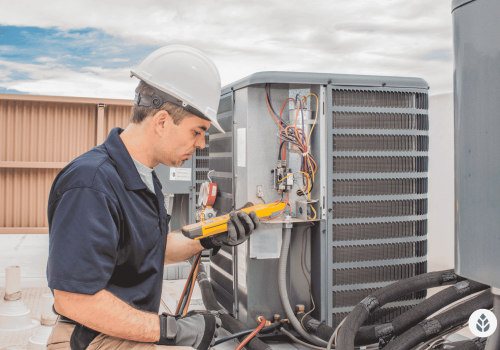
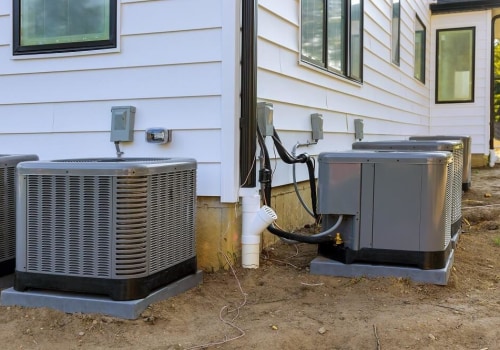
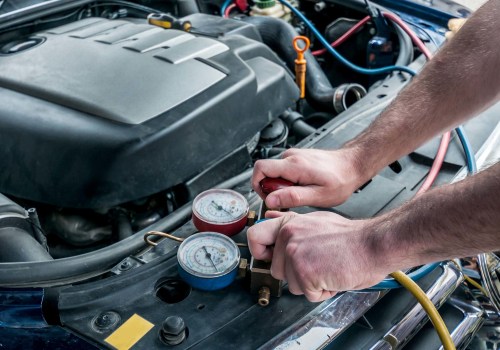
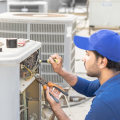
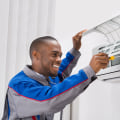
Heating, ventilation, and air conditioning (HVAC) systems play a crucial role in maintaining a comfortable indoor environment, especially in regions with extreme weather conditions. These systems are designed to regulate temperature, humidity, and air quality, ensuring that your home remains a sanctuary regardless of the season. Understanding the intricacies of HVAC systems is essential for homeowners, as it directly impacts their comfort and energy efficiency.Typically, the lifespan of an HVAC system can range from 10 to 15 years, depending on various factors such as usage, maintenance, and the quality of the unit itself. Regular maintenance is vital for extending the life of your system; neglecting it can lead to premature failures and costly repairs.
Homeowners should be aware that as HVAC systems age, their efficiency tends to decline, leading to increased energy bills and inconsistent temperature control.Moreover, advancements in technology have introduced more energy-efficient models that not only provide better performance but also reduce environmental impact. As older systems become outdated, they may lack the features that enhance comfort and efficiency found in newer models. This makes it essential for homeowners to evaluate their current HVAC system's performance regularly and consider replacement options when necessary.In summary, understanding your HVAC system's lifespan and functionality is key to making informed decisions about maintenance and replacement. By staying proactive and informed about your system's condition, you can ensure a comfortable living environment while optimizing energy consumption.
Signs That Indicate It's Time for a Replacement
Recognizing the signs that indicate it's time to replace your HVAC system is crucial for maintaining a comfortable and energy-efficient home.Homeowners should be vigilant about certain indicators that suggest their heating, ventilation, and air conditioning (HVAC) system may be nearing the end of its lifespan.
1.Age of the System
One of the most significant factors to consider is the age of your HVAC system. Most systems have a lifespan of about 10 to 15 years. If your unit is approaching or has surpassed this age range, it’s wise to start planning for a replacement. Older systems are not only less efficient but also more prone to breakdowns.
2.Frequent Repairs
If you find yourself calling for repairs multiple times a year, it may be more cost-effective to invest in a new system rather than continuing to patch up an aging unit.
Frequent repairs can add up quickly, and at some point, the cost of maintaining an old system outweighs the benefits.
3.Rising Energy Bills
Another clear sign that your HVAC system may need replacing is a noticeable increase in your energy bills. As systems age, they often lose efficiency, causing them to work harder to maintain desired temperatures. If you notice a spike in your utility costs without any changes in usage patterns, it could indicate that your HVAC system is struggling.
4.Inconsistent Temperatures
Are there rooms in your home that are consistently too hot or too cold? Inconsistent heating or cooling can signal that your HVAC system is failing to distribute air effectively. This could be due to ductwork issues or an aging unit that can no longer maintain proper airflow.
5.Unusual Noises
Pay attention to any strange noises coming from your HVAC system, such as banging, clanking, or hissing sounds.
These noises can indicate mechanical issues that may require replacement rather than repair.
6.Poor Air Quality
If you notice an increase in dust accumulation or experience respiratory issues, it could be a sign that your HVAC system is not filtering air properly anymore. An outdated or malfunctioning unit may fail to provide adequate air filtration, leading to poor indoor air quality.
7.Refrigerant Leaks
If you discover refrigerant leaks around your unit, this can be a serious issue. Not only does it affect the efficiency of your air conditioning system, but it can also pose environmental hazards. If repairs are needed for refrigerant leaks on an older unit, replacement might be the better option.In summary, being aware of these signs can help you make informed decisions about when to replace your HVAC system.
Regular maintenance and monitoring can extend the life of your unit, but knowing when it's time for a replacement is essential for ensuring comfort and efficiency in your home.
The Age Factor: How Old is Too Old?
Understanding the age of your HVAC system is crucial in determining whether it’s time for a replacement. Generally, most HVAC systems have an average lifespan of 10 to 15 years. However, this can vary based on several factors, including the type of system, usage patterns, and maintenance history.As your HVAC system ages, its efficiency tends to decline. Older units often struggle to maintain consistent temperatures and may require more frequent repairs.This not only affects your comfort but can also lead to increased energy bills. If you notice that your energy costs are rising despite no significant changes in usage, it could be a sign that your system is becoming less efficient due to age.Another critical aspect to consider is the installation date of your HVAC system. Knowing when your unit was installed can help you gauge its remaining lifespan. For instance, if your air conditioner was installed over a decade ago, it may be nearing the end of its effective life.
In such cases, consulting with an AC maintenance corporation can provide valuable insights into whether repairs or a full replacement would be more cost-effective in the long run.Additionally, advancements in technology mean that newer HVAC systems are often much more efficient than older models. If your unit is over 15 years old, it may lack modern features such as variable-speed motors or smart thermostats that enhance energy efficiency and comfort. Upgrading to a newer model can not only improve performance but also reduce your carbon footprint.In summary, while age is a significant factor in determining whether to replace your HVAC system, it’s essential to consider its overall condition and efficiency as well. Regular maintenance can extend the life of your unit, but if you find yourself frequently calling for repairs or facing high energy bills, it may be time to evaluate your options with a professional.
Cost Considerations: Repair vs.
ReplacementWhen considering whether to repair or replace your HVAC system, understanding the cost implications is crucial. The decision often hinges on the age of the system, the frequency of repairs, and the potential savings associated with a new unit.
Repair Costs
As HVAC systems age, they typically require more frequent repairs. For instance, if your system is over ten years old and you find yourself calling for repairs multiple times a year, it may be time to evaluate the overall cost-effectiveness of continuing to repair it. Common repair costs can range from $150 to $1,500 depending on the issue.
Here are some typical scenarios:
- Minor Repairs: Issues like replacing a capacitor or fixing a refrigerant leak can cost between $150 and $400.
- Moderate Repairs: More significant problems, such as replacing a compressor or a blower motor, can run from $500 to $1,200.
- Major Repairs: If your system requires extensive work, such as replacing the heat exchanger or major components, costs can exceed $1,500.
Replacement Costs
The cost of replacing an HVAC system varies widely based on factors such as the size of your home, the type of system you choose, and installation fees. On average, homeowners can expect to pay between $3,000 and $7,000 for a complete HVAC replacement. However, investing in a new unit can lead to significant long-term savings:
- Energy Efficiency: Newer models are designed to be more energy-efficient. Upgrading to an ENERGY STAR certified unit can save you up to 20% on your energy bills. Newer models are designed to be more energy-efficient. Upgrading to an ENERGY STAR certified unit can save you up to 20% on your energy bills.
- Reduced Repair Costs: A new system typically comes with warranties that cover parts and labor for several years, reducing unexpected expenses.
- Increased Home Value: A modern HVAC system can enhance your home’s marketability and value.
Long-Term Financial Implications
While the upfront cost of replacing an HVAC system may seem daunting, it’s essential to consider the long-term financial implications.
If you continue to invest in repairs for an aging unit, those costs can quickly add up. In contrast, a new system not only provides reliable performance but also offers peace of mind with lower maintenance needs.Ultimately, weighing the repair costs against the replacement costs, along with potential savings from energy efficiency and reduced repair frequency, will help you make an informed decision about your HVAC system's future.
Energy Efficiency and Environmental Impact
Upgrading to an energy-efficient HVAC system is not just a smart financial decision; it also has significant environmental benefits. As homeowners become increasingly aware of their carbon footprint, the shift towards energy-efficient HVAC systems has gained momentum. These modern systems are designed to consume less energy while providing optimal heating and cooling, which translates into lower utility bills and a reduced impact on the environment.One of the primary advantages of newer HVAC models is their enhanced energy efficiency ratings.Many of these systems are equipped with advanced technology that allows them to operate at higher efficiencies compared to older units. For instance, systems that are ENERGY STAR certified can be up to 20% more efficient than non-certified models. This efficiency not only helps in cutting down energy costs but also contributes to a decrease in greenhouse gas emissions.
Energy Savings and Cost Benefits
Investing in an energy-efficient HVAC system can lead to substantial savings over time. Homeowners often report a noticeable reduction in their monthly energy bills after upgrading their systems.According to the U. S. Department of Energy, replacing an old air conditioning unit with a new, high-efficiency model can save homeowners between 20% and 50% on cooling costs. This is particularly beneficial during peak summer months when air conditioning usage is at its highest.
Environmental Impact
The environmental benefits of upgrading your HVAC system extend beyond just energy savings.By reducing energy consumption, these systems help decrease the demand for fossil fuels, which are a major source of carbon emissions. Furthermore, many modern HVAC units use refrigerants that have a lower global warming potential compared to older models. This shift not only helps in mitigating climate change but also promotes better air quality both indoors and outdoors.In addition to the direct benefits of energy savings and reduced emissions, many local governments and utility companies offer incentives for homeowners who choose to upgrade to energy-efficient systems. These incentives can include tax credits, rebates, or financing options that make the transition more affordable.In conclusion, upgrading to an energy-efficient HVAC system is a wise investment for both your wallet and the planet.
With lower utility bills, reduced environmental impact, and potential financial incentives, making the switch not only enhances your home’s comfort but also contributes positively to global sustainability efforts.
Choosing the Right Time for Replacement
When it comes to replacing your HVAC system, timing can significantly impact both the cost and comfort of the installation process. Understanding the best times to replace your unit can help you make a more informed decision, ensuring that you get the most value for your investment.Seasonal Considerations
- Spring and Fall: These transitional seasons are often considered the best times for HVAC replacement. During spring and fall, demand for HVAC services tends to be lower, which can lead to better pricing and availability of technicians. Additionally, the moderate temperatures during these seasons make it easier to install new systems without causing discomfort in your home.
- Summer: Replacing your HVAC system in the summer can be challenging due to high demand.
Many homeowners experience breakdowns during peak heat, leading to longer wait times for installation and potentially higher costs. If you find yourself needing a replacement during this season, be prepared for possible delays and increased expenses.
- Winter: Similar to summer, winter can also be a busy time for HVAC replacements, especially in colder climates. While some companies may offer discounts during the off-peak season, the urgency of heating failures can lead to rushed decisions. If you must replace your system in winter, consider scheduling it during milder weather days.
Market Conditions
The HVAC market can fluctuate based on various factors such as supply chain issues, manufacturer promotions, and local demand.
Keeping an eye on these conditions can help you choose the right time for replacement:
- Promotions: Many HVAC companies offer seasonal promotions or rebates during specific times of the year. Researching these offers can save you money on your new system.
- Supply Chain: Be aware of any potential supply chain disruptions that could affect availability. If you notice a trend of rising prices or limited stock, it may be wise to act sooner rather than later.
Conclusion
Ultimately, choosing the right time for HVAC replacement involves balancing seasonal considerations with market conditions. By planning ahead and being aware of these factors, you can ensure a smoother installation process while maximizing your investment in a new system.
Consulting with Professionals: The Role of AC Maintenance Corporations
When it comes to making significant decisions about your HVAC system, consulting with professionals from an AC maintenance corporation is crucial.These experts bring a wealth of knowledge and experience that can help you navigate the complexities of HVAC systems, ensuring you make informed choices regarding repairs or replacements.During a consultation, you can expect a thorough assessment of your current system. Professionals will evaluate the age, efficiency, and overall condition of your HVAC unit. They will also consider factors such as:
- Energy Efficiency: Experts will analyze your energy bills and the efficiency ratings of your current system to determine if a replacement could lead to significant savings.
- Repair History: A detailed review of past repairs can indicate whether ongoing issues are symptomatic of larger problems that warrant a full replacement.
- Home Comfort Needs: HVAC professionals will discuss your specific comfort requirements, including heating and cooling preferences, to recommend systems that best suit your lifestyle.
- Smart Thermostats: These devices allow for better temperature control and energy management.
- Variable Speed Compressors: These systems adjust their output based on demand, leading to improved efficiency and comfort.
- Enhanced Air Quality Features: Newer models often come equipped with advanced filtration systems that improve indoor air quality.
Proper installation is critical for maximizing the efficiency and lifespan of your new system. Poor installation can lead to issues such as:
- Inefficient Operation: A poorly installed unit may not operate at its intended efficiency level.
- Increased Wear and Tear: Incorrect installation can lead to premature breakdowns and costly repairs.
FAQs About HVAC Replacement Decisions
When considering the replacement of your HVAC system, homeowners often have numerous questions.Here are some of the most frequently asked questions regarding HVAC replacements, along with clear and concise answers to help you make informed decisions.
1.How do I know if my HVAC system needs to be replaced?
Several signs indicate that it may be time for a replacement:- Age: If your system is over 10-15 years old, it’s likely nearing the end of its lifespan.
- Frequent Repairs: If you find yourself calling for repairs multiple times a year, it may be more cost-effective to replace the unit.
- High Energy Bills: A sudden spike in your energy bills can indicate that your system is working harder than it should, often due to inefficiency.
- Inconsistent Temperatures: If certain rooms in your home are too hot or too cold, it may signal that your HVAC system is failing to distribute air evenly.
- Noisy Operation: Unusual sounds like banging or grinding can indicate serious issues that might warrant a replacement.
2.What are the benefits of replacing my HVAC system?
Replacing your HVAC system can offer several advantages:- Improved Efficiency: Newer models are designed to be more energy-efficient, which can lead to lower utility bills.
- Enhanced Comfort: Modern systems provide better temperature control and air quality, ensuring a more comfortable living environment.
- Increased Home Value: A new HVAC system can enhance the overall value of your home, making it more attractive to potential buyers.
- Reduced Repair Costs: Investing in a new unit can save you money on frequent repairs associated with older systems.
3.How long does an HVAC replacement take?
The duration of an HVAC replacement can vary based on several factors, including the complexity of the installation and the type of system being installed. Generally, homeowners can expect the process to take anywhere from a few hours to a full day. It’s advisable to consult with your AC maintenance corporation for a more accurate timeline based on your specific situation.4.Should I replace my HVAC system in the summer or winter?
The best time to replace your HVAC system is during the off-peak seasons—spring or fall. This timing not only allows for better scheduling with contractors but also minimizes discomfort in your home during extreme weather conditions.If you have further questions about your specific situation or need personalized advice, don’t hesitate to reach out to a qualified HVAC professional who can guide you through the replacement process.Conclusion: Making Informed Decisions About Your HVAC System
In conclusion, making informed decisions about your HVAC system is crucial for maintaining a comfortable and energy-efficient home.Throughout this article, we have explored various factors that influence the lifespan of your heating, ventilation, and air conditioning system, emphasizing the importance of proactive maintenance and timely replacement.Understanding the average lifespan of HVAC systems—typically ranging from 10 to 15 years—can help homeowners gauge when it might be time to consider a replacement. As systems age, they often become less efficient, leading to increased energy bills and more frequent repairs. Recognizing the signs of wear and tear, such as inconsistent temperatures or unusual noises, can prompt timely action before a complete breakdown occurs.Moreover, investing in regular maintenance through an AC maintenance corporation can significantly extend the life of your HVAC system. Routine check-ups not only identify potential issues early but also ensure that your system operates at peak efficiency.
This proactive approach can save you money in the long run by reducing energy costs and minimizing the need for costly repairs.When considering whether to repair or replace your HVAC unit, it’s essential to weigh the costs of ongoing repairs against the benefits of a new, energy-efficient model. Newer systems often come equipped with advanced technology that enhances performance and reduces energy consumption. Additionally, many modern units qualify for rebates or tax incentives, making them a financially savvy choice.Ultimately, being prepared for unexpected HVAC issues is key. Homeowners should regularly assess their systems and consult with professionals to make informed decisions about repairs or replacements.
By planning ahead and understanding your options, you can ensure that your home remains comfortable year-round while also optimizing your investment in HVAC technology.In summary, staying informed about your HVAC system's condition and being proactive in maintenance and replacement decisions will lead to a more efficient home environment. Don’t wait for a breakdown; take charge of your HVAC health today.