To fully appreciate the significance of regular HVAC maintenance, it is essential to understand what HVAC systems are and how they operate. HVAC stands for Heating, Ventilation, and Air Conditioning, which collectively refers to the technology used to regulate indoor environmental conditions. These systems are designed to provide thermal comfort and acceptable indoor air quality in residential and commercial buildings. By controlling temperature, humidity, and air flow, HVAC systems play a crucial role in ensuring a comfortable living or working environment.There are several types of HVAC systems, each tailored to meet specific needs and preferences. To fully appreciate the significance of regular HVAC maintenance, it is essential to understand what HVAC systems are and how they operate. HVAC stands for Heating, Ventilation, and Air Conditioning, which collectively refers to the technology used to regulate indoor environmental conditions. These systems are designed to provide thermal comfort and acceptable indoor air quality in residential and commercial buildings. By controlling temperature, humidity, and air flow, HVAC systems play a crucial role in ensuring a comfortable living or working environment.There are several types of HVAC systems, each tailored to meet specific needs and preferences.
The most common types include:
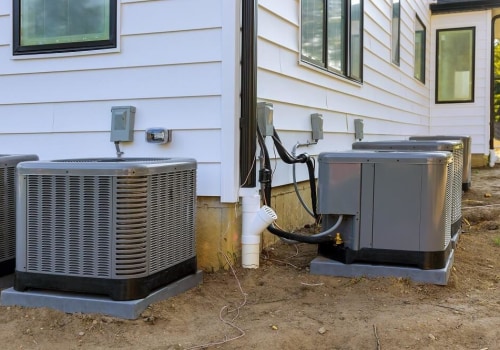
- Central Air Conditioning Systems: These systems use a network of ducts to distribute cooled air throughout a building. They are ideal for larger spaces and can be paired with heating systems for year-round climate control.
- Heat Pumps: Heat pumps can both heat and cool a space by transferring heat from one place to another. They are particularly efficient in moderate climates and can significantly reduce energy costs.
- Ductless Mini-Split Systems: These systems consist of an outdoor compressor and one or more indoor units. They are perfect for homes without ductwork and allow for zoned heating and cooling.
- Furnaces: Furnaces generate heat through various fuel sources, including gas, oil, or electricity.
They are commonly used in colder climates where heating is a priority.
Regular maintenance ensures that each component functions optimally, preventing inefficiencies that could lead to higher energy bills or system failures.In summary, grasping the fundamentals of HVAC systems not only enhances your knowledge but also underscores the necessity of routine maintenance. By keeping your system in top shape, you can enjoy a comfortable environment while extending the lifespan of your equipment.
The Importance of Regular HVAC Maintenance
Regular HVAC maintenance is not just a recommendation; it is a necessity for homeowners and businesses alike. The importance of maintaining your heating, ventilation, and air conditioning systems cannot be overstated. By investing in routine maintenance, you can ensure that your system operates at peak efficiency, which translates to numerous benefits.Efficiency and Performance
One of the primary reasons to prioritize HVAC maintenance is to enhance the efficiency of your system.
Over time, dust, dirt, and debris can accumulate in your HVAC unit, leading to reduced airflow and increased energy consumption. A well-maintained system operates more efficiently, which means it uses less energy to heat or cool your space. This efficiency not only contributes to a more comfortable environment but also results in lower utility bills.
Cost Savings
Regular maintenance can lead to significant cost savings in the long run. While it may seem like an added expense to schedule routine check-ups with an AC maintenance corporation, the reality is that these services can help you avoid costly repairs down the line.
During maintenance visits, technicians can identify potential issues before they escalate into major problems that require expensive repairs or even complete system replacements.
Longevity of Your HVAC System
Another critical aspect of regular HVAC maintenance is its impact on the lifespan of your equipment. Just like any other mechanical system, your HVAC unit requires care and attention to function optimally over time. By adhering to a regular maintenance schedule, you can extend the life of your system significantly. Most HVAC systems are designed to last around 15-20 years; however, neglecting maintenance can shorten this lifespan considerably.
Improved Indoor Air Quality
Regular maintenance also plays a vital role in ensuring good indoor air quality.
A clean HVAC system helps filter out pollutants and allergens from the air, contributing to a healthier living environment. During maintenance checks, filters are replaced or cleaned, and ducts are inspected for any blockages or leaks that could compromise air quality.
Peace of Mind
Finally, knowing that your HVAC system is well-maintained provides peace of mind. You can rest easy knowing that your heating and cooling systems are less likely to fail when you need them most—during extreme weather conditions. Regular check-ups mean fewer surprises and more comfort for you and your family.In conclusion, the importance of regular HVAC maintenance cannot be overlooked.
From enhancing efficiency and saving costs to prolonging the life of your system and improving indoor air quality, the benefits are clear. Make it a priority to schedule routine maintenance with a trusted AC maintenance corporation to ensure your HVAC system remains in top condition for years to come.
Signs Your HVAC System Needs Maintenance
Recognizing the signs that your HVAC system needs maintenance is crucial for ensuring its longevity and efficiency. Ignoring these indicators can lead to more significant problems down the line, including costly repairs or even complete system failure. Here are some common signs that suggest it’s time to call an AC maintenance corporation for a professional check-up.- Unusual Noises: If your HVAC system starts making strange sounds such as grinding, squealing, or banging, it’s a clear indication that something is amiss.
These noises can signal issues with the motor, belts, or other components that require immediate attention.
- Inconsistent Temperatures: Are some rooms in your home significantly warmer or cooler than others? This inconsistency can indicate problems with ductwork, airflow, or even the thermostat itself. A professional can diagnose and resolve these issues to restore balance in your home.
- Increased Energy Bills: A sudden spike in your energy bills without a corresponding increase in usage can be a sign that your HVAC system is working harder than it should. This inefficiency often results from neglected maintenance and can be addressed through regular servicing.
- Frequent Cycling: If your HVAC system turns on and off more frequently than usual, it may be struggling to maintain the desired temperature. This short cycling can lead to increased wear and tear on the system, necessitating professional intervention.
- Bad Odors: Foul smells emanating from your HVAC system can indicate mold growth or burnt-out components.
If you notice any unpleasant odors, it’s essential to have your system inspected promptly to prevent health risks and further damage.
- Humidity Issues: An HVAC system should effectively regulate humidity levels in your home. If you find that your home feels excessively humid or dry, it may be time for maintenance to ensure proper functioning of the system.
- Age of the System: Even if you don’t notice any immediate issues, consider the age of your HVAC unit. Systems older than 10-15 years may require more frequent maintenance checks to ensure they continue operating efficiently.
What Does Regular HVAC Maintenance Involve?
Regular HVAC maintenance is essential for ensuring the longevity and efficiency of your heating and cooling systems.Understanding what this maintenance entails can help homeowners appreciate its value and prepare for the service. Here’s a detailed breakdown of the typical tasks involved in a comprehensive HVAC maintenance service.
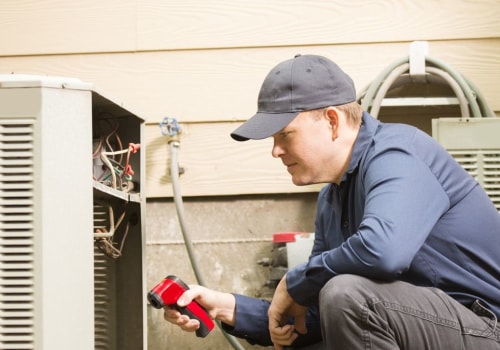
- Inspection of Components: A thorough inspection of all major components is crucial. This includes checking the compressor, evaporator coil, condenser coil, and blower motor. Technicians will look for signs of wear and tear, corrosion, or any potential issues that could lead to system failure.
- Cleaning: Dust and debris can accumulate in various parts of your HVAC system, affecting its performance.
During maintenance, technicians will clean the coils, drain lines, and air filters. This not only improves efficiency but also enhances indoor air quality.
- Filter Replacement: Air filters play a vital role in maintaining airflow and air quality. Regularly replacing or cleaning filters is a key task during HVAC maintenance. Depending on the type of filter used, this may be done every month or every few months.
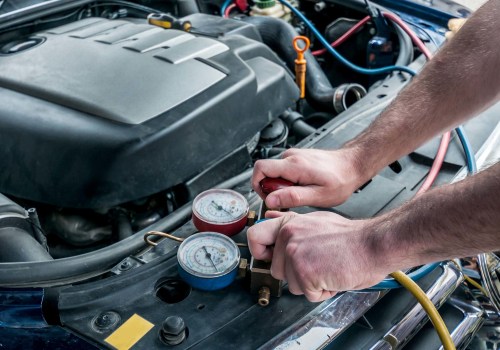
- Checking Refrigerant Levels: Proper refrigerant levels are essential for efficient cooling.
Technicians will check for leaks and ensure that the refrigerant is at the correct level to prevent strain on the system.
- Thermostat Calibration: Ensuring that your thermostat is functioning correctly is another important aspect of HVAC maintenance. Technicians will calibrate it to ensure accurate temperature readings and efficient operation.
- Electrical Connections: Loose or corroded electrical connections can lead to system malfunctions or even safety hazards. During maintenance, all electrical connections will be tightened and inspected for any signs of damage.
- System Testing: After completing all necessary tasks, technicians will run tests to ensure that the system operates efficiently. This includes checking airflow, temperature differentials, and overall system performance.
Not only does this proactive approach help in avoiding costly repairs down the line, but it also ensures a comfortable living environment throughout the year.
How Often Should You Schedule Maintenance?
Understanding how often to schedule HVAC maintenance is crucial for ensuring the longevity and efficiency of your heating and cooling systems. The frequency of maintenance can vary based on several factors, including the type of system you have, its usage, and the specific recommendations from your AC maintenance corporation.General Recommendations
- Central Air Conditioners and Furnaces: For standard central air conditioning units and furnaces, it is generally recommended to schedule maintenance at least once a year. This annual check-up allows technicians to inspect, clean, and service your system, ensuring it operates efficiently throughout the year.
- Heat Pumps: If you have a heat pump that is used for both heating and cooling, it is advisable to schedule maintenance twice a year. This is particularly important because heat pumps work harder than traditional systems, especially in extreme weather conditions.
Factors Influencing Maintenance Frequency
The frequency of HVAC maintenance can also be influenced by various factors:
- Usage Patterns: If your HVAC system is used heavily or runs continuously, more frequent maintenance may be necessary.
For instance, homes in warmer climates that rely on air conditioning year-round may benefit from biannual check-ups.
- Age of the System: Older systems may require more frequent inspections as they are more prone to wear and tear. If your system is over ten years old, consider scheduling maintenance every six months.
- Environmental Factors: Homes located in dusty or high-pollen areas may need more frequent filter changes and system checks. Regular maintenance can help mitigate the effects of these environmental factors on your HVAC system.
Conclusion
In summary, while the general guideline suggests annual maintenance for most HVAC systems, specific circumstances may warrant a more tailored approach. Consulting with your AC maintenance corporation can provide personalized recommendations based on your system's needs and usage patterns.
Regular maintenance not only enhances efficiency but also extends the lifespan of your equipment, ultimately saving you money in the long run.
Choosing the Right AC Maintenance Corporation
When it comes to maintaining your HVAC system, selecting the right AC maintenance corporation is crucial for ensuring optimal performance and longevity of your equipment. With numerous options available, it can be overwhelming to make a choice. Here are some essential factors to consider when choosing an HVAC company:- Experience and Expertise: Look for a company with a proven track record in the industry. An experienced technician will have the knowledge to handle various HVAC systems and issues effectively.
- Licensing and Insurance: Ensure that the corporation is properly licensed and insured.
This protects you from liability in case of accidents or damages during maintenance.
- Customer Reviews and Testimonials: Research online reviews and ask for references. Feedback from previous customers can provide insight into the quality of service and reliability of the company.
- Service Offerings: Check if the corporation provides comprehensive services, including emergency repairs, routine maintenance, and installation. A one-stop-shop can save you time and hassle.
- Pricing Structure: Request quotes from multiple companies to compare pricing. Be wary of unusually low prices, as they may indicate subpar service or hidden fees.
- Maintenance Plans: Inquire about any maintenance plans or service agreements they offer.
Regular maintenance can often be more affordable when bundled into a plan.
- What is included in your maintenance service?
- How do you handle emergency repairs?
- Can you provide references from past clients?
- What warranties do you offer on parts and labor?
Cost Considerations for HVAC Maintenance
When considering the costs associated with HVAC maintenance, it’s essential to understand that these expenses can vary significantly based on several factors, including the type of system you have, the frequency of service, and the specific services performed. Regular maintenance is not merely an added expense; it is an investment that can lead to substantial savings over time.Typically, homeowners can expect to pay between $75 and $200 for a standard HVAC maintenance service. This price often includes a thorough inspection, cleaning of components, and minor adjustments to ensure optimal performance.However, if your system requires more extensive repairs or parts replacement, costs can increase accordingly.
Understanding HVAC Maintenance Costs
To better grasp the financial implications of HVAC upkeep, consider the following:- Annual Maintenance Plans: Many AC maintenance corporations offer annual service plans that can range from $150 to $500. These plans often include multiple visits throughout the year, priority service, and discounts on repairs.
- Frequency of Service: As mentioned earlier, most systems benefit from annual maintenance. However, systems that operate year-round, like heat pumps, may require biannual check-ups. This increased frequency can lead to higher overall costs but is crucial for maintaining efficiency.
- Type of System: The complexity of your HVAC system also affects maintenance costs.
For instance, a central air conditioning unit may have different service needs compared to a ductless mini-split system.
The Long-Term Savings
Investing in regular HVAC maintenance can lead to significant long-term savings. Here’s how:- Improved Efficiency: A well-maintained system operates more efficiently, which translates to lower energy bills. According to the U. S.
Department of Energy, regular maintenance can improve your system's efficiency by up to 15%.
- Extended Lifespan: Regular servicing helps identify potential issues before they escalate into major problems. This proactive approach can extend the lifespan of your HVAC system by several years, delaying the need for costly replacements.
- Avoiding Emergency Repairs: Unexpected breakdowns can be financially devastating. By investing in routine maintenance, you reduce the likelihood of sudden failures that require immediate and often expensive repairs.
DIY vs.
Professional Maintenance: What You Need to KnowWhen it comes to maintaining your HVAC system, understanding the balance between DIY maintenance and seeking professional help is crucial. While some tasks can be easily handled by homeowners, others require the expertise of a trained technician. Here’s a breakdown of what you can do yourself and when it’s best to call in the professionals.
DIY HVAC Maintenance Tasks
There are several maintenance tasks that homeowners can perform to keep their HVAC systems running efficiently:- Changing Air Filters: One of the simplest yet most effective ways to maintain your system is by regularly changing or cleaning the air filters. This should be done every 1-3 months, depending on usage and filter type.
- Cleaning Vents and Registers: Dust and debris can accumulate in vents, obstructing airflow.
Regularly vacuuming these areas helps maintain efficiency.
- Checking Thermostat Settings: Ensure your thermostat is functioning correctly and set to the desired temperature. Consider upgrading to a programmable thermostat for better energy management.
- Inspecting Ductwork: Look for any visible signs of wear or leaks in your ductwork. Sealing these leaks can improve efficiency significantly.
When to Call an Expert
While DIY tasks are beneficial, there are specific situations where professional intervention is necessary:- Complex Repairs: If you notice unusual noises, smells, or performance issues that you cannot diagnose, it’s time to call an HVAC technician.
- Annual Inspections: A professional service should be scheduled at least once a year for a comprehensive inspection and tune-up. This ensures that all components are functioning optimally and safely.
- Refrigerant Issues: Handling refrigerants requires specialized training and certification.
If you suspect a refrigerant leak or need a recharge, contact an expert.
- Electrical Problems: Any electrical issues related to your HVAC system should be addressed by a qualified technician to prevent hazards.
FAQs About HVAC Maintenance
When it comes to HVAC maintenance, homeowners often have numerous questions. Understanding these common queries can help demystify the process and ensure that your heating and cooling systems operate efficiently. Here are some frequently asked questions about HVAC maintenance:- How often should I schedule HVAC maintenance? It is generally recommended to have your HVAC system serviced at least once a year.
For those with heat pumps or systems that run year-round, biannual maintenance is advisable. This ensures that all components are functioning optimally and helps prevent unexpected breakdowns.
- What does an HVAC maintenance service include? A typical maintenance service includes a thorough inspection of the system, cleaning of components such as filters and coils, checking refrigerant levels, testing electrical connections, and ensuring that the thermostat is calibrated correctly. This comprehensive approach helps identify potential issues before they escalate into costly repairs.
- Can I perform HVAC maintenance myself? While some basic tasks, like changing air filters, can be done by homeowners, it is best to leave comprehensive maintenance to professionals. They have the expertise and tools necessary to identify and address issues that may not be apparent to the untrained eye.
- What are the signs that my HVAC system needs maintenance? Look for signs such as unusual noises, inconsistent temperatures throughout your home, increased energy bills, or a noticeable decrease in airflow.
If you experience any of these symptoms, it’s time to contact an AC maintenance corporation for a professional evaluation.
- How can regular maintenance save me money? Regular HVAC maintenance can lead to significant savings over time. By ensuring your system runs efficiently, you can reduce energy costs and extend the lifespan of your equipment. Additionally, catching minor issues early can prevent them from developing into major problems that require expensive repairs or replacements.
Conclusion: The Long-Term Benefits of Regular HVAC Maintenance
In conclusion, the significance of regular HVAC maintenance cannot be overstated.Homeowners who prioritize this essential service not only enhance the efficiency of their heating and cooling systems but also safeguard their investment in these critical appliances. By engaging a reputable AC maintenance corporation, you can ensure that your HVAC system operates at peak performance, ultimately leading to a more comfortable living environment.Throughout this article, we have explored various aspects of HVAC maintenance, including its role in energy efficiency, cost savings, and system longevity. Regular maintenance helps to identify potential issues before they escalate into major problems, which can save homeowners from unexpected repair costs and inconvenient breakdowns. Moreover, a well-maintained system consumes less energy, translating to lower utility bills and a reduced carbon footprint.Additionally, routine inspections and servicing contribute to improved indoor air quality.
Dust, allergens, and other pollutants can accumulate in your HVAC system over time. A thorough cleaning during maintenance not only enhances the air quality but also promotes a healthier living space for you and your family.Furthermore, many manufacturers require proof of regular maintenance to uphold warranties on HVAC equipment. By adhering to a consistent maintenance schedule with a qualified AC maintenance corporation, you protect your warranty rights and ensure that any future claims are honored.Ultimately, investing in regular HVAC maintenance is a proactive approach that yields long-term benefits. It fosters peace of mind knowing that your heating and cooling systems are functioning optimally and safely.
As seasons change and temperatures fluctuate, having a reliable HVAC system becomes increasingly vital for comfort and well-being.In summary, the long-term advantages of regular HVAC maintenance extend beyond mere convenience; they encompass financial savings, enhanced comfort, improved air quality, and prolonged equipment lifespan. Make it a priority to schedule your annual maintenance today with a trusted AC maintenance corporation, and enjoy the myriad benefits that come with it.