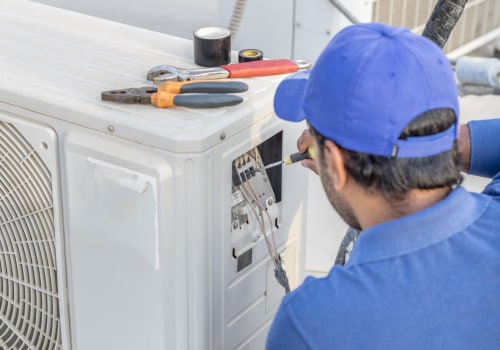
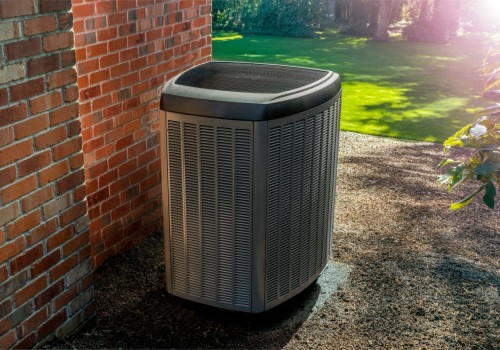
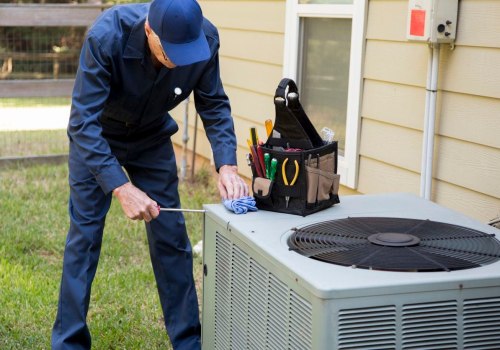
In today’s modern homes, HVAC systems play a crucial role in ensuring comfort and maintaining a healthy indoor environment. HVAC, which stands for heating, ventilation, and air conditioning, encompasses a range of technologies designed to regulate temperature, humidity, and air quality. These systems are not just about keeping your home warm in the winter or cool in the summer; they are integral to creating a balanced atmosphere that promotes well-being and productivity.The importance of an efficient HVAC system cannot be overstated. A well-functioning system contributes significantly to energy efficiency, which translates into lower utility bills and a reduced carbon footprint.
By optimizing heating and cooling processes, homeowners can enjoy consistent temperatures while minimizing energy waste. Furthermore, modern HVAC systems often come equipped with advanced features such as programmable thermostats and zoning capabilities, allowing for tailored climate control that meets the specific needs of different areas within the home.However, the benefits of having an HVAC system extend beyond mere comfort and efficiency. Regular maintenance is essential to ensure that these systems operate at peak performance. Neglecting routine checks can lead to a host of problems, including decreased efficiency, higher energy costs, and even premature system failure.
By investing in regular maintenance through a reputable AC maintenance corporation, homeowners can not only prolong the lifespan of their HVAC systems but also enhance indoor air quality by preventing dust buildup and mold growth.In summary, understanding the role of HVAC systems is vital for any homeowner looking to create a comfortable living space. The combination of effective heating and cooling solutions with regular maintenance practices ensures that your home remains a sanctuary of comfort while also being energy-efficient and environmentally friendly.
What is HVAC Maintenance?
HVAC maintenance refers to the systematic process of inspecting, cleaning, and servicing heating, ventilation, and air conditioning systems to ensure they operate efficiently and effectively. Regular maintenance is crucial for extending the lifespan of your HVAC equipment, improving indoor air quality, and reducing energy costs. By understanding what HVAC maintenance entails, homeowners can make informed decisions about their heating and cooling systems.HVAC maintenance refers to the systematic process of inspecting, cleaning, and servicing heating, ventilation, and air conditioning systems to ensure they operate efficiently and effectively. Regular maintenance is crucial for extending the lifespan of your HVAC equipment, improving indoor air quality, and reducing energy costs. By understanding what HVAC maintenance entails, homeowners can make informed decisions about their heating and cooling systems.Definition of HVAC Maintenance
At its core, HVAC maintenance encompasses a variety of tasks designed to keep your system running smoothly.
This includes checking for any signs of wear and tear, replacing filters, cleaning coils, and ensuring that all components are functioning as intended. The goal is to prevent unexpected breakdowns and maintain optimal performance throughout the year.
Types of HVAC Maintenance
- Preventive Maintenance: This type of maintenance is performed regularly to prevent potential issues before they arise. It typically involves scheduled inspections and routine tasks such as changing air filters, cleaning ducts, and checking refrigerant levels. Preventive maintenance is essential for keeping your system in peak condition and can significantly reduce the likelihood of costly repairs.
- Corrective Maintenance: Unlike preventive maintenance, corrective maintenance occurs after a problem has been identified.
This may involve repairing or replacing faulty components or addressing issues that have led to decreased efficiency or system failure. While corrective maintenance is necessary at times, it is often more expensive than preventive measures due to the urgency and potential for extensive repairs.
- Predictive Maintenance: This advanced approach uses data analysis tools and techniques to predict when maintenance should be performed. By monitoring system performance and identifying trends, HVAC professionals can anticipate failures before they occur, allowing for timely interventions that minimize downtime and repair costs.
The Benefits of Regular HVAC Maintenance
Regular HVAC maintenance is not just a recommendation; it is a necessity for homeowners who wish to ensure their heating and cooling systems operate efficiently and effectively.The benefits of routine upkeep extend far beyond mere comfort, impacting both the performance of the system and the overall cost of ownership.
1.Enhanced Energy Efficiency
One of the most significant advantages of regular HVAC maintenance is improved energy efficiency. Over time, dust, dirt, and debris can accumulate in your system, leading to blockages that hinder airflow. This forces your HVAC unit to work harder to maintain the desired temperature, resulting in increased energy consumption. By scheduling regular maintenance with an AC maintenance corporation, you can ensure that your system is clean and operating at peak efficiency, which can lead to lower utility bills.
2.Cost Savings on Repairs
Routine maintenance allows technicians to identify and address minor issues before they escalate into major problems.
For instance, a small refrigerant leak can be easily repaired during a maintenance check, but if left unattended, it could lead to compressor failure—a much more costly repair. By investing in regular HVAC upkeep, homeowners can save significantly on unexpected repair costs.
3.Extended Equipment Lifespan
HVAC systems are a significant investment, and like any machinery, they require proper care to function optimally over time. Regular maintenance helps extend the lifespan of your equipment by ensuring that all components are functioning correctly and efficiently. A well-maintained system can last several years longer than one that is neglected.
4.Improved Indoor Air Quality
Your HVAC system plays a crucial role in maintaining indoor air quality.
Regular maintenance includes changing filters and cleaning ducts, which helps reduce allergens, dust, and other pollutants circulating in your home. This is particularly important for families with children or individuals with respiratory issues.
5.Consistent Comfort Levels
Nothing is worse than an HVAC system that fails during extreme weather conditions. Regular maintenance ensures that your heating and cooling systems are reliable and capable of providing consistent comfort throughout the year. This peace of mind is invaluable for homeowners who want to avoid uncomfortable situations during peak seasons.In conclusion, the benefits of regular HVAC maintenance are clear: enhanced energy efficiency, cost savings on repairs, extended equipment lifespan, improved indoor air quality, and consistent comfort levels.
By partnering with a reputable AC maintenance corporation, homeowners can enjoy these advantages while ensuring their systems remain in top condition for years to come.
How Often Should You Schedule HVAC Maintenance?
Determining the right frequency for HVAC maintenance is crucial for ensuring the longevity and efficiency of your heating and cooling systems. While many homeowners may wonder how often they should schedule these appointments, the answer can vary based on several factors, including the type of system, usage patterns, and local climate conditions.General Recommendations
- For most residential HVAC systems, it is advisable to schedule maintenance at least once a year. This annual check-up typically includes a comprehensive inspection, cleaning, and necessary adjustments to keep your system running smoothly.
- For homes with both heating and cooling systems, consider scheduling maintenance twice a year—once in the spring for your air conditioning unit and once in the fall for your heating system. This biannual approach ensures that both systems are prepared for their respective peak seasons.
Factors Influencing Maintenance Frequency
- System Type: Different HVAC systems may have varying maintenance needs.
For instance, heat pumps often require more frequent checks due to their dual functionality as both heating and cooling units.
- Usage Patterns: If you use your HVAC system heavily—such as in larger homes or in areas with extreme temperatures—you may need to increase the frequency of maintenance appointments. Systems that run continuously or are used more than average can accumulate wear and tear more quickly.
- Local Climate: In regions with harsh winters or sweltering summers, HVAC systems work harder to maintain comfortable indoor temperatures. Consequently, these systems may benefit from more frequent inspections to ensure they are operating efficiently.
Seasonal Checks
In addition to regular maintenance appointments, consider performing seasonal checks on your HVAC system. Before the onset of summer or winter, take some time to inspect filters, clean vents, and ensure that your thermostat is functioning correctly.
These small tasks can help identify potential issues before they escalate into costly repairs.Ultimately, establishing a consistent HVAC maintenance schedule tailored to your specific needs will not only enhance the performance of your system but also extend its lifespan. By prioritizing regular check-ups with a reputable AC maintenance corporation, you can enjoy peace of mind knowing that your home’s comfort is in good hands.
Common HVAC Maintenance Tasks
Regular HVAC maintenance is essential for ensuring the longevity and efficiency of your heating and cooling systems. During a typical maintenance appointment, several key tasks are performed to keep your system running smoothly. Here are some of the most common HVAC maintenance tasks:- Filter Changes: One of the simplest yet most crucial tasks is changing or cleaning the air filters.
Clogged filters can restrict airflow, making your system work harder and less efficiently. Regularly replacing filters not only improves air quality but also enhances system performance.
- System Inspections: Technicians conduct thorough inspections of both heating and cooling systems. This includes checking for any signs of wear and tear, leaks, or corrosion. Identifying potential issues early can prevent costly repairs down the line.
- Refrigerant Level Check: For air conditioning systems, maintaining the correct refrigerant level is vital.
Low refrigerant can lead to inefficient cooling and increased energy costs. Technicians will check for leaks and ensure that levels are optimal.
- Thermostat Calibration: Ensuring that your thermostat is accurately reading temperatures is essential for comfort and efficiency. Technicians will calibrate the thermostat to ensure it communicates effectively with your HVAC system.
- Electrical Component Checks: HVAC systems have numerous electrical components that need to be inspected regularly. This includes checking connections, tightening loose wires, and ensuring that all electrical components are functioning properly to prevent malfunctions.
- Ductwork Inspection: The ductwork plays a critical role in distributing heated or cooled air throughout your home.
Technicians will inspect ducts for leaks or blockages that could hinder airflow and reduce efficiency.
- Condensate Drain Cleaning: The condensate drain removes excess moisture from your system. If this drain becomes clogged, it can lead to water damage and mold growth. Regular cleaning helps prevent these issues.
Choosing the Right AC Maintenance Corporation
When it comes to maintaining your HVAC system, selecting the right AC maintenance corporation is crucial for ensuring optimal performance and longevity of your equipment.With numerous options available, it can be overwhelming to determine which company will provide the best service. Here are some essential tips to help you make an informed decision.
1.Assess Experience and Expertise
One of the first factors to consider is the experience of the HVAC company. Look for a corporation that has been in business for several years, as this often indicates a solid reputation and a wealth of knowledge in the field. Experienced technicians are more likely to identify potential issues quickly and provide effective solutions.
2.Check Certifications and Licenses
Ensure that the HVAC companies you are considering are properly licensed and certified.
This not only guarantees that they meet industry standards but also provides peace of mind knowing that their technicians are trained to handle various HVAC systems safely and efficiently.
3.Read Customer Reviews
Customer feedback is invaluable when choosing an AC maintenance corporation. Look for online reviews on platforms like Google, Yelp, or Angie's List. Pay attention to both positive and negative comments to get a balanced view of the company's service quality. A company with consistently high ratings is likely to be a reliable choice.
4.Evaluate Service Offerings
Different HVAC companies may offer varying levels of service.
Some may provide comprehensive maintenance plans that include regular check-ups, while others might focus solely on repairs. Consider what services you need and ensure that the corporation you choose can meet those requirements.
5.Request Quotes and Compare Prices
Before making a final decision, request quotes from multiple AC maintenance corporations. This will give you an idea of the average cost for the services you need. However, don’t just choose based on price; consider the value offered in terms of service quality and customer support.
6.Ask About Warranties and Guarantees
A reputable HVAC company should stand behind its work with warranties or satisfaction guarantees.
This demonstrates their confidence in their services and provides you with added security in case any issues arise after maintenance.By taking these factors into account, you can confidently select a reliable HVAC service provider that meets your needs and ensures your system operates efficiently for years to come.
Signs Your HVAC System Needs Maintenance
Recognizing the signs that your HVAC system requires maintenance is crucial for ensuring its longevity and efficiency. Ignoring these indicators can lead to more significant issues down the line, resulting in costly repairs or even complete system failure. Here are some common signs that suggest it’s time to call in an AC maintenance corporation for a professional check-up.- Unusual Noises: If your HVAC system starts making strange sounds such as grinding, squealing, or banging, it’s a clear indication that something is amiss. These noises can signal loose components, worn-out parts, or even a failing motor.
- Inconsistent Temperatures: Are some rooms in your home significantly warmer or cooler than others? This inconsistency can indicate issues with ductwork, airflow, or even the thermostat itself.
A professional can diagnose and rectify these problems to ensure even heating and cooling throughout your home.
- Increased Energy Bills: A sudden spike in your energy bills without a corresponding increase in usage can be a sign of an inefficient HVAC system. This inefficiency may stem from dirty filters, refrigerant leaks, or other mechanical issues that require immediate attention.
- Frequent Cycling: If your HVAC system is turning on and off more frequently than usual, it may be struggling to maintain the desired temperature. This could be due to an oversized unit, clogged filters, or other underlying problems that need to be addressed.
- Bad Odors: Foul smells emanating from your HVAC system can indicate mold growth, burnt wiring, or other serious issues. If you notice any unpleasant odors, it’s essential to have a technician inspect the system promptly.
- Humidity Issues: An HVAC system should effectively regulate humidity levels in your home.
If you find that your home feels excessively humid or dry, it may be time for maintenance to ensure the system is functioning correctly.
The Cost of Neglecting Regular Maintenance
Neglecting regular HVAC maintenance can lead to a multitude of financial repercussions that extend far beyond the immediate costs of service. Homeowners often underestimate the importance of routine upkeep, which can result in significant expenses over time.Increased Energy Bills
One of the most immediate effects of poor HVAC maintenance is the rise in energy bills.
When your heating and cooling systems are not functioning optimally, they have to work harder to maintain the desired temperature in your home. This increased workload translates directly into higher energy consumption. According to the U. S.
Department of Energy, poorly maintained systems can consume up to 30% more energy than well-maintained ones. Regular maintenance ensures that your system operates efficiently, helping you save on monthly utility costs.
Costly Repairs
Another significant consequence of neglecting HVAC maintenance is the potential for expensive repairs. Small issues, such as a dirty filter or a minor refrigerant leak, can escalate into major problems if left unaddressed. For instance, a neglected air conditioning unit may develop compressor failure, which can cost thousands of dollars to replace.
By investing in regular maintenance, you can catch these issues early and avoid the financial burden of emergency repairs.
Shortened Equipment Lifespan
HVAC systems are designed to last for many years, but neglecting maintenance can drastically shorten their lifespan. A well-maintained system can last 15-20 years or more, while one that is poorly maintained may only function effectively for a fraction of that time. The cost of replacing an entire HVAC system is substantial, often ranging from $5,000 to $10,000 or more depending on the size and type of system. Regular maintenance helps ensure that your investment lasts as long as possible.
Health Risks
In addition to financial implications, neglecting HVAC maintenance can pose health risks to your household.
A dirty or malfunctioning system can circulate dust, allergens, and even mold throughout your home, leading to respiratory issues and other health problems. The cost of medical bills and treatments for these conditions can add up quickly, making regular maintenance not just a financial decision but a health-conscious one as well.In conclusion, the cost of neglecting regular HVAC maintenance is multifaceted and significant. From increased energy bills and costly repairs to a shortened lifespan of equipment and potential health risks, the consequences are far-reaching. Investing in routine maintenance through a reputable AC maintenance corporation is essential for protecting your home and finances.
DIY vs.
Professional Maintenance: What You Need to KnowWhen it comes to maintaining your HVAC system, understanding the balance between DIY maintenance and hiring a professional service is crucial. While some tasks can be easily handled by homeowners, others require the expertise of trained technicians. Here’s a breakdown of what you can do yourself and when it’s best to call in the experts.
DIY HVAC Maintenance Tips
Many homeowners can perform basic maintenance tasks that help keep their HVAC systems running efficiently. Here are some essential DIY tips:- Change Air Filters Regularly: One of the simplest yet most effective maintenance tasks is changing your air filters.
Depending on usage, filters should be replaced every 1-3 months. Clogged filters can restrict airflow and reduce efficiency.
- Clean the Outdoor Unit: Ensure that the outdoor condenser unit is free from debris such as leaves, dirt, and grass clippings. A clean unit allows for better airflow and cooling efficiency.
- Inspect Ductwork: Check for visible signs of wear or damage in your ductwork. Sealing any leaks can improve system efficiency and indoor air quality.
- Check Thermostat Settings: Make sure your thermostat is functioning correctly and set to the desired temperature.
Consider upgrading to a programmable thermostat for better energy management.
Professional vs. DIY Service
While DIY maintenance can help prolong the life of your HVAC system, there are certain tasks that should always be left to professionals:- Comprehensive Inspections: Professionals have the training to conduct thorough inspections that identify potential issues before they become major problems.
- Complex Repairs: If your system requires repairs beyond simple fixes, such as refrigerant recharges or electrical work, it’s essential to hire a qualified technician.
- System Installations: Installing new HVAC systems or components requires specialized knowledge and tools that only professionals possess.
When to Hire an Expert for HVAC Care
If you notice any of the following signs, it’s time to contact an HVAC maintenance corporation:- Poor airflow or inconsistent temperatures throughout your home.
- Unusual noises coming from your HVAC system.
- An increase in energy bills without a corresponding increase in usage.
- The system frequently cycles on and off.
<strong>Conclusion</strong>
In conclusion, the significance of regular HVAC maintenance cannot be overstated. Engaging a reputable AC maintenance corporation ensures that your heating and cooling systems operate efficiently, ultimately leading to enhanced comfort in your home and significant cost savings over time.By prioritizing routine maintenance, homeowners can avoid unexpected breakdowns and costly repairs that often arise from neglect.Moreover, regular inspections and servicing by professionals help identify potential issues before they escalate into major problems. This proactive approach not only extends the lifespan of your HVAC system but also improves its energy efficiency, which is crucial in today’s environmentally conscious world. An efficient system consumes less energy, reducing your carbon footprint while also lowering utility bills.Additionally, many AC maintenance corporations offer tailored service plans that cater to the specific needs of your HVAC system. These plans often include seasonal check-ups, priority service during peak times, and discounts on repairs, making them a wise investment for any homeowner.
By enrolling in such programs, you can ensure that your system receives the attention it requires without the hassle of scheduling appointments each season.Furthermore, regular maintenance contributes to better indoor air quality. A well-maintained HVAC system filters out dust, allergens, and pollutants, creating a healthier living environment for you and your family. This is particularly important for individuals with respiratory issues or allergies.In summary, investing in regular HVAC maintenance through a trusted AC maintenance corporation is essential for optimal performance, energy efficiency, and overall comfort in your home. Don’t wait for a breakdown to occur; take proactive steps today to ensure your heating and cooling systems are in top shape for years to come.