Understanding your HVAC system is essential for any homeowner looking to maintain a comfortable living environment. HVAC, which stands for heating, ventilation, and air conditioning, encompasses a variety of components that work together to regulate indoor temperature and air quality. These systems are designed to provide heating during the colder months and cooling when temperatures rise, ensuring that your home remains a sanctuary regardless of the weather outside. However, the effectiveness and longevity of your HVAC system depend significantly on how well it is maintained. The average lifespan of an HVAC system can vary widely based on several factors, including the type of system, usage patterns, and the level of maintenance it receives.
Typically, a well-maintained system can last anywhere from 15 to 25 years. Regular maintenance not only extends this lifespan but also enhances efficiency, leading to lower energy bills and improved indoor air quality. Neglecting routine care can result in premature breakdowns and costly repairs, making it crucial for homeowners to prioritize HVAC maintenance. To fully appreciate the importance of maintaining your HVAC system, it's helpful to understand its key components. An HVAC system generally includes a furnace or heat pump for heating, an air conditioning unit for cooling, ductwork for air distribution, and a thermostat for temperature control. Typically, a well-maintained system can last anywhere from 15 to 25 years. Regular maintenance not only extends this lifespan but also enhances efficiency, leading to lower energy bills and improved indoor air quality. Neglecting routine care can result in premature breakdowns and costly repairs, making it crucial for homeowners to prioritize HVAC maintenance. To fully appreciate the importance of maintaining your HVAC system, it's helpful to understand its key components. An HVAC system generally includes a furnace or heat pump for heating, an air conditioning unit for cooling, ductwork for air distribution, and a thermostat for temperature control.
Each part plays a vital role in ensuring that your home remains comfortable year-round. By familiarizing yourself with these components and their functions, you can better recognize when something is amiss and take proactive steps to address potential issues before they escalate.
The Importance of Regular Maintenance
Regular maintenance of your HVAC system is not just a good practice; it is essential for ensuring optimal performance and longevity. By investing in routine check-ups and servicing, homeowners can reap numerous benefits that significantly enhance the efficiency and reliability of their heating and cooling systems.Improved Efficiency
One of the primary advantages of regular HVAC maintenance is improved efficiency. Over time, dust, dirt, and debris can accumulate in your system, leading to blockages and reduced airflow.
This not only forces your HVAC unit to work harder but also increases energy consumption. During a maintenance visit, professionals from an AC maintenance corporation will clean essential components such as filters, coils, and ducts, ensuring that your system operates at peak efficiency.
Reduced Energy Costs
With improved efficiency comes reduced energy costs. A well-maintained HVAC system uses less energy to heat or cool your home, which translates to lower utility bills. According to the U.
S. Department of Energy, regular maintenance can lead to energy savings of up to 30%. This means that the cost of routine inspections and servicing can be offset by the savings on your monthly energy bills.
Extended Lifespan
Another critical benefit of regular HVAC maintenance is the extension of your system's lifespan. Just like any other mechanical system, HVAC units experience wear and tear over time.
However, with consistent care, you can significantly delay the need for costly replacements. Routine check-ups allow technicians to identify potential issues before they escalate into major problems, ultimately prolonging the life of your equipment.
Routine Inspections
Scheduling regular inspections is vital for maintaining your HVAC system's health. These check-ups typically include a thorough examination of all components, including:
- Thermostat calibration
- Refrigerant levels
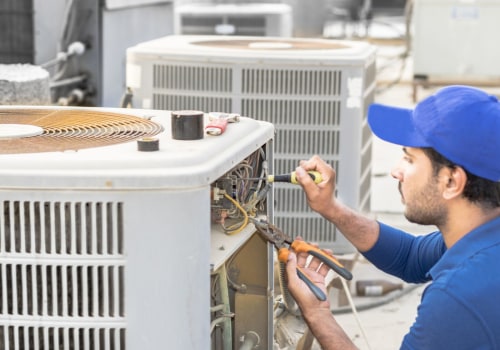
- Electrical connections
- Fan and motor operation
- Ductwork integrity
Conclusion
The importance of regular HVAC maintenance cannot be overstated. From enhancing efficiency and reducing energy costs to extending the lifespan of your system, routine check-ups are a wise investment for any homeowner.
Partnering with a reputable AC maintenance corporation ensures that your heating and cooling needs are met with professionalism and expertise.
Key Maintenance Tasks for Your HVAC System
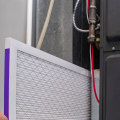
Maintaining your HVAC system is essential for ensuring its longevity and efficiency. While some tasks are best left to professionals, there are several key maintenance tasks that homeowners can perform themselves or with the help of an AC maintenance corporation. Here are some of the most important tasks to consider:- Change Air Filters Regularly: One of the simplest yet most effective maintenance tasks is changing your air filters. Clogged filters restrict airflow, making your system work harder and reducing its efficiency.
Check your filters every month, and replace them at least every three months, or more frequently if you have pets or allergies.
- Clean the Coils: Both the evaporator and condenser coils in your HVAC system can accumulate dirt over time. This dirt reduces the system's ability to absorb heat and can lead to overheating. Cleaning the coils at least once a year can significantly improve efficiency. Use a soft brush or a vacuum cleaner to gently remove dust and debris.
- Check Refrigerant Levels: Proper refrigerant levels are crucial for your HVAC system's performance.
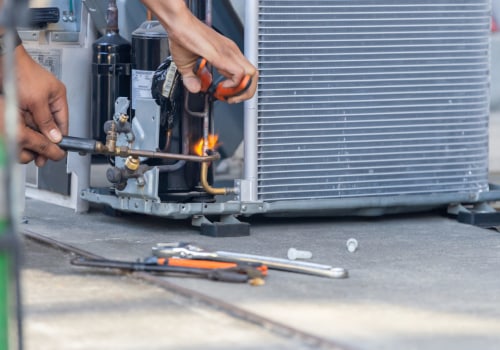
Low refrigerant can indicate a leak, which not only affects cooling efficiency but can also damage the compressor. If you suspect low refrigerant levels, contact a professional technician from an AC maintenance corporation to check and refill as necessary.
- Inspect Ductwork: Leaky ducts can lead to significant energy loss and reduced comfort in your home. Inspect your ductwork for any visible signs of wear or damage, such as holes or disconnected sections. Sealing these leaks can improve efficiency and indoor air quality.
- Clear Drain Lines: Clogged condensate drain lines can cause water damage and increase humidity levels in your home.
Regularly check and clear these lines to prevent blockages. You can use a wet/dry vacuum to remove any buildup.
- Schedule Professional Maintenance: While DIY tasks are important, scheduling regular professional maintenance is crucial for comprehensive care. A qualified technician can perform detailed inspections, clean components, and identify potential issues before they become major problems.
Signs Your HVAC System Needs Attention
Recognizing the signs that your HVAC system requires attention is crucial for maintaining its efficiency and longevity.Ignoring these warning signs can lead to more significant issues down the line, resulting in costly repairs or even premature system replacement. Here are some common indicators that your HVAC system may need professional servicing:
- Unusual Noises: If your HVAC system starts making strange sounds such as banging, clanking, or hissing, it could indicate a mechanical issue. These noises often suggest loose components or airflow problems that require immediate attention.
- Inconsistent Temperatures: Are some rooms in your home significantly warmer or cooler than others? This inconsistency can be a sign of ductwork issues, a malfunctioning thermostat, or an aging system that struggles to maintain even temperatures.
- Increased Energy Bills: A sudden spike in your energy bills without a corresponding increase in usage can indicate that your HVAC system is working harder than it should. This inefficiency may stem from dirty filters, refrigerant leaks, or other underlying problems.
- Frequent Cycling: If your HVAC system turns on and off more frequently than usual, it may be short cycling.
This can be caused by an oversized unit, a malfunctioning thermostat, or airflow restrictions. Short cycling not only wastes energy but also puts unnecessary strain on the system.
- Bad Odors: Foul smells emanating from your HVAC system can indicate mold growth, burnt wiring, or other serious issues. If you notice any unpleasant odors, it's essential to have a professional inspect the system immediately.
- Humidity Issues: An HVAC system should effectively regulate humidity levels in your home. If you find that your home feels excessively humid or dry, it may be time to consult with an HVAC professional to assess the system's performance.
Early intervention can prevent minor issues from escalating into major repairs and help extend the lifespan of your HVAC system. Regular maintenance checks by qualified professionals ensure that your heating and cooling systems operate efficiently and reliably throughout their lifespan.
Choosing the Right AC Maintenance Corporation
When it comes to maintaining your HVAC system, selecting the right AC maintenance corporation is crucial for ensuring longevity and efficiency. With numerous service providers available, it can be overwhelming to determine which one will best meet your needs. Here are some essential tips to guide you in making an informed decision.1.Check Credentials and Experience
- Ensure that the company is licensed and insured.
This protects you from liability in case of accidents during service.
- Look for certifications from recognized organizations, such as the North American Technician Excellence (NATE) or Air Conditioning Contractors of America (ACCA). These certifications indicate a commitment to quality and ongoing education.
- Consider the company's experience in the industry. A well-established corporation with a solid track record is often more reliable.
2.Read Reviews and Testimonials
- Check online reviews on platforms like Google, Yelp, or Angie's List. Pay attention to both positive and negative feedback to get a balanced view.
- Ask for references from past clients.
A reputable company should be willing to provide contact information for satisfied customers.
3.Evaluate Service Offerings
- Inquire about the range of services provided. A comprehensive maintenance corporation should offer installation, repair, and routine maintenance services.
- Ask if they provide emergency services. HVAC issues can arise unexpectedly, and having access to 24/7 support can be invaluable.
4.Ask the Right Questions
During consultations, don’t hesitate to ask questions that will help you gauge their expertise:
- What is your approach to routine maintenance?
- How do you handle emergency repairs?
- Can you provide a detailed estimate before starting any work?
- What warranties or guarantees do you offer on your services?
5.Compare Pricing and Contracts
- Obtain quotes from multiple companies to compare pricing structures. Be wary of prices that seem too low; they may indicate subpar service.
- Review contracts carefully before signing.
Ensure that all terms are clear, including payment schedules and cancellation policies.
Energy Efficiency and Its Impact on Lifespan
Energy efficiency plays a crucial role in determining the lifespan of your HVAC system. When your system operates efficiently, it not only consumes less energy but also experiences less wear and tear, ultimately extending its operational life. Understanding how to enhance the energy efficiency of your HVAC system can lead to significant savings on utility bills and prolong the need for costly replacements.One of the primary ways to improve energy efficiency is through regular maintenance.This includes changing or cleaning filters every one to three months, as dirty filters can restrict airflow and force your system to work harder than necessary. Additionally, scheduling annual professional inspections can help identify potential issues before they escalate into major problems.Upgrading to a more efficient HVAC system can also have a profound impact on energy consumption and longevity. Modern systems are designed with advanced technology that optimizes performance while minimizing energy use. Look for units with a high Seasonal Energy Efficiency Ratio (SEER) rating, as these are typically more efficient and can last longer than older models.Another effective strategy is to ensure that your home is well-insulated.
Proper insulation reduces the workload on your HVAC system by maintaining a consistent indoor temperature. This means your system won’t have to cycle on and off as frequently, which can lead to premature wear. Consider adding insulation to attics, walls, and basements, and sealing any gaps around windows and doors.Utilizing programmable thermostats is another excellent way to enhance energy efficiency. These devices allow you to set specific temperatures for different times of the day, ensuring that your HVAC system only operates when necessary.
For instance, you can program it to lower the temperature during the night or when you’re away from home, reducing unnecessary energy consumption.In addition to these strategies, consider incorporating energy-saving tips into your daily routine:
- Use ceiling fans: They help circulate air, allowing you to set your thermostat a few degrees higher in summer.
- Close blinds or curtains: This prevents heat gain during hot days and keeps your home cooler.
- Regularly check ductwork: Ensure there are no leaks or blockages that could hinder airflow.
Seasonal Tips for Maintaining Your HVAC System
Maintaining your HVAC system is crucial for ensuring its longevity and efficiency, especially as the seasons change. Each season brings unique challenges and requirements for your heating, ventilation, and air conditioning system. Here are some essential seasonal maintenance tips to help you prepare your HVAC system for winter and summer.Preparing Your HVAC System for Winter
- Inspect and Replace Filters: Before the cold weather sets in, check your air filters.
Dirty filters can restrict airflow and reduce efficiency. Replace them if they are clogged or dirty to ensure optimal performance.
- Clean the Outdoor Unit: Remove any debris, leaves, or snow around the outdoor unit. This will help maintain proper airflow and prevent damage from ice buildup.
- Check the Thermostat: Ensure your thermostat is functioning correctly. Consider upgrading to a programmable thermostat for better temperature control and energy savings.
- Schedule a Professional Inspection: Have a qualified technician from an AC maintenance corporation perform a thorough inspection of your heating system.
They can identify potential issues before they become major problems.
Preparing Your HVAC System for Summer
- Clean or Replace Filters: Just like in winter, check your filters before the summer heat arrives. Clean or replace them to ensure efficient airflow and cooling.
- Inspect Ductwork: Look for any signs of leaks or blockages in your ductwork. Sealing leaks can improve efficiency and reduce energy costs.
- Clear Surrounding Areas: Trim any bushes or plants around the outdoor unit to ensure it has adequate airflow. This will help your system operate more efficiently.
- Test Your System: Before the peak summer heat hits, run your air conditioning system to ensure it cools effectively.
If you notice any unusual noises or insufficient cooling, contact an HVAC professional.
The Role of Professional Inspections in Extending Lifespan
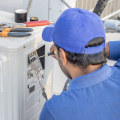
When it comes to ensuring the longevity of your HVAC system, professional inspections play a pivotal role. Regular assessments by qualified technicians can identify potential issues before they escalate into costly repairs or complete system failures. Homeowners often underestimate the importance of these inspections, but they are essential for maintaining optimal performance and efficiency.Benefits of Hiring HVAC Experts
- Thorough Evaluation: HVAC professionals possess the expertise to conduct a comprehensive evaluation of your system.
They can spot wear and tear that may not be visible to the untrained eye.
- Preventive Maintenance: Regular inspections allow for preventive maintenance, which can significantly reduce the likelihood of unexpected breakdowns. This proactive approach saves homeowners money in the long run.
- Improved Efficiency: An expert can fine-tune your system, ensuring it operates at peak efficiency. This not only enhances comfort but also lowers energy bills.
- Safety Assurance: HVAC systems can pose safety risks if not properly maintained. Professionals check for gas leaks, electrical issues, and other hazards that could endanger your home and family.
What to Expect from an HVAC Inspection
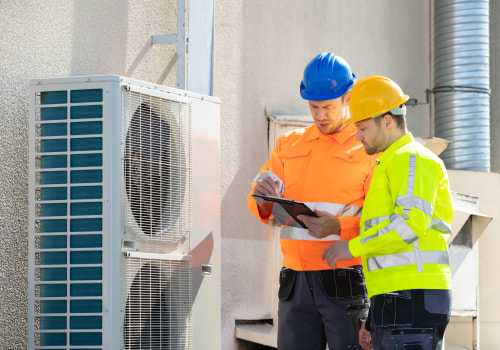
During a professional HVAC inspection, homeowners can expect a detailed assessment that typically includes:
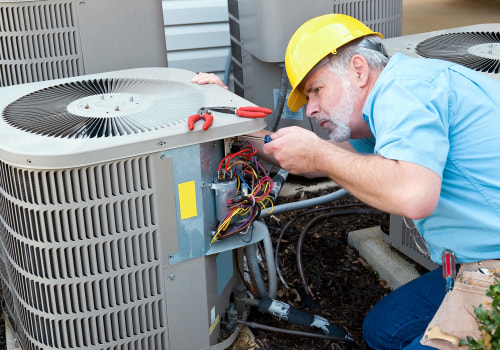
- Visual Inspection: Technicians will examine all components of the system, including filters, ducts, and electrical connections.
- Performance Testing: The HVAC expert will test the system's performance to ensure it meets manufacturer specifications.
- Cleaning and Maintenance: Many inspections include cleaning components such as coils and filters, which is crucial for maintaining efficiency.
- Recommendations: After the inspection, you will receive a report detailing any issues found and recommendations for repairs or upgrades.
By hiring experienced technicians, you not only enhance the performance of your unit but also ensure a safe and comfortable environment in your home.
Conclusion: Ensuring Longevity for Your HVAC System
In conclusion, ensuring the longevity of your HVAC system is not just about occasional repairs or replacements; it requires a proactive approach to maintenance and care. Throughout this article, we have explored various strategies that can significantly extend the lifespan of your heating, ventilation, and air conditioning system. By implementing these expert tips, you can enhance the efficiency and reliability of your HVAC system while also saving on energy costs.Regular maintenance is paramount. Scheduling routine check-ups with a qualified AC maintenance corporation can help identify potential issues before they escalate into costly repairs.During these inspections, professionals can clean components, check refrigerant levels, and ensure that all parts are functioning optimally. This not only prolongs the life of your system but also improves its performance.Additionally, being mindful of your HVAC usage plays a crucial role in its longevity. Understanding how your system operates and adjusting your usage patterns can lead to significant wear and tear reduction. For instance, setting your thermostat to a moderate temperature instead of extreme highs or lows can ease the strain on your unit.Moreover, investing in high-quality filters and replacing them regularly is another simple yet effective way to maintain your HVAC system.
Clogged filters restrict airflow, forcing the system to work harder and potentially leading to breakdowns.Finally, don’t underestimate the value of professional advice. Consulting with experts from an AC maintenance corporation can provide tailored recommendations based on your specific system and home environment. They can guide you on upgrades or modifications that could enhance efficiency and comfort.By prioritizing these maintenance practices and seeking professional assistance when needed, you can ensure that your HVAC system remains a reliable source of comfort for many years to come. Remember, a well-maintained HVAC system not only serves you better but also contributes to a healthier indoor environment.