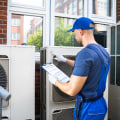
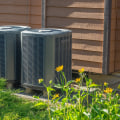
Maintaining your air conditioning unit is not just a matter of convenience; it is essential for ensuring optimal performance and longevity. Regular AC maintenance plays a crucial role in enhancing the efficiency of your system, which can lead to significant cost savings on energy bills. When an air conditioning unit is well-maintained, it operates more effectively, consuming less energy to cool your home. This efficiency not only benefits your wallet but also reduces the environmental impact of energy consumption.Moreover, neglecting routine maintenance can result in a host of problems that may require costly repairs or even premature replacement of the unit.
By investing time and resources into regular upkeep, homeowners can avoid unexpected breakdowns and extend the lifespan of their air conditioning systems. A well-maintained unit can last significantly longer than one that is neglected, providing reliable comfort for years to come.In addition to financial benefits, regular maintenance contributes to improved indoor air quality. Dust, allergens, and other pollutants can accumulate in your air conditioning system over time, leading to poor air quality and potential health issues for you and your family. Routine cleaning and servicing help to mitigate these risks, ensuring that the air circulating in your home is clean and healthy.Ultimately, understanding the importance of air conditioning maintenance is key to enjoying a comfortable living environment.
By prioritizing regular check-ups and servicing from a qualified AC maintenance corporation , you can ensure that your system runs smoothly, efficiently, and reliably throughout its lifespan.
Key Components of Your Air Conditioning System
Understanding the key components of your air conditioning system is essential for effective maintenance and optimal performance. Each part plays a vital role in the cooling process, and knowing how they work together can help you identify potential issues before they become major problems.1.Compressor
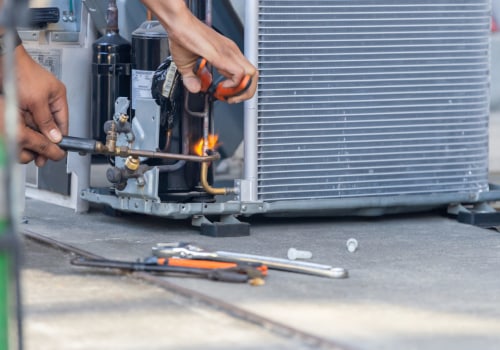
The compressor is often referred to as the heart of the air conditioning system. It is responsible for compressing the refrigerant gas and circulating it through the system. When the refrigerant enters the compressor, it is in a low-pressure state.The compressor then increases its pressure, transforming it into a high-pressure gas that moves to the condenser. Regular maintenance of the compressor is crucial, as any malfunction can lead to inefficient cooling or complete system failure.
2.Condenser
The condenser is located outside your home and plays a critical role in releasing heat absorbed from inside. As the high-pressure gas from the compressor enters the condenser, it cools down and transforms back into a liquid state by releasing heat into the outdoor air. Keeping the condenser coils clean and free from debris is essential for maintaining efficiency. is located outside your home and plays a critical role in releasing heat absorbed from inside. As the high-pressure gas from the compressor enters the condenser, it cools down and transforms back into a liquid state by releasing heat into the outdoor air. Keeping the condenser coils clean and free from debris is essential for maintaining efficiency.A dirty condenser can lead to overheating and increased energy consumption.
3.Evaporator
The evaporator is typically found inside your home and is responsible for absorbing heat from indoor air. As warm air passes over the evaporator coils, the refrigerant inside absorbs this heat, causing it to evaporate into a gas. This process cools down the air that is then circulated back into your living spaces. Regularly checking and cleaning the evaporator coils can prevent ice buildup and ensure efficient operation.4.Filters
Filters
are crucial for maintaining air quality and system efficiency.
They trap dust, dirt, and other airborne particles, preventing them from entering the system and affecting its performance. It is recommended to check and replace filters every month during peak usage seasons. Clogged filters can restrict airflow, leading to increased energy consumption and potential damage to other components.By understanding these key components—compressor, condenser, evaporator, and filters—you can take proactive steps in maintaining your air conditioning unit. Regular inspections and cleanings will not only enhance performance but also extend the lifespan of your system.
Signs Your Air Conditioning Unit Needs Maintenance
Recognizing the signs that your air conditioning unit requires maintenance is crucial for ensuring its longevity and efficiency.Ignoring these indicators can lead to more significant issues down the line, resulting in costly repairs or even complete system failure. Here are some common signs that suggest it’s time to call an AC maintenance corporation.
- Unusual Noises: If your air conditioning unit starts making strange sounds such as grinding, squealing, or rattling, it’s a clear indication that something is wrong. These noises can be caused by loose parts, worn-out bearings, or even debris caught in the fan. Addressing these issues promptly can prevent further damage.
- Poor Airflow: If you notice that some rooms are not receiving adequate cooling or airflow is weak, it may indicate a problem with the ductwork or the unit itself.
Clogged filters or blocked vents can also contribute to this issue. Regular maintenance can help ensure that your system is distributing air evenly throughout your home.
- Increased Energy Bills: A sudden spike in your energy bills without a corresponding increase in usage can signal that your air conditioning unit is working harder than it should. This inefficiency may stem from dirty coils, worn-out components, or refrigerant leaks. Scheduling regular maintenance can help identify and rectify these issues before they escalate.
- Foul Odors: Unpleasant smells emanating from your air conditioning unit can indicate mold growth or electrical problems.
If you detect a musty odor, it’s essential to have your system inspected to prevent health risks associated with mold exposure.
- Frequent Cycling: If your air conditioner frequently turns on and off (a phenomenon known as short cycling), it may be struggling to maintain the desired temperature due to an underlying issue. This not only affects comfort but also increases wear and tear on the system.
- Water Leaks: Any signs of water pooling around your air conditioning unit could indicate a clogged drain line or a refrigerant leak. Both situations require immediate attention to avoid water damage and potential health hazards from mold growth.
Regular Maintenance Tasks for Optimal Performance
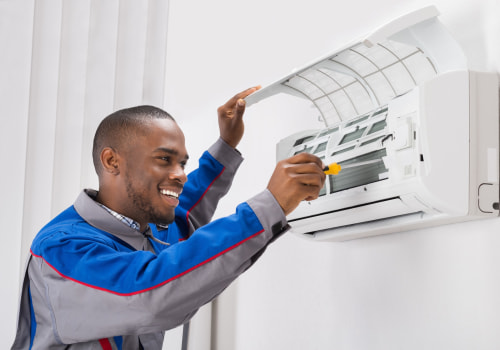
To ensure your air conditioning unit operates at peak efficiency, it is crucial to perform regular maintenance tasks.These tasks not only enhance the performance of your system but also extend its lifespan and reduce energy costs. Below are some essential maintenance activities that should be incorporated into your routine.
- Filter Cleaning and Replacement: One of the simplest yet most effective maintenance tasks is to clean or replace the air filters. Clogged filters can restrict airflow, making your unit work harder and less efficiently. It is advisable to check the filters monthly and replace them every 1 to 3 months, depending on usage and the type of filter used.
- Inspect Refrigerant Levels: Maintaining the correct refrigerant level is vital for optimal cooling performance.
Low refrigerant levels can indicate a leak, which not only affects efficiency but can also lead to compressor damage. Regularly check the refrigerant levels and consult a professional if you suspect any issues.
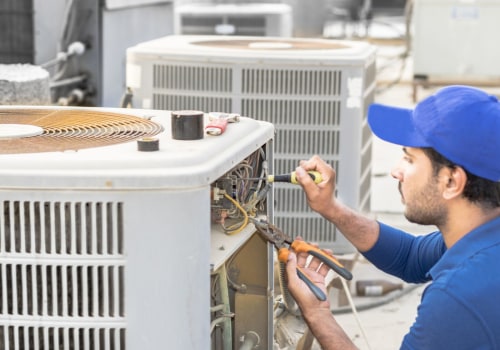
- Examine Electrical Components: Regularly inspect electrical connections and components for signs of wear or damage. Loose connections can lead to overheating and potential system failure. Ensure that all electrical components are secure and functioning properly.
- Clean the Condenser Coils: The condenser coils located outside your home can accumulate dirt and debris over time, which can hinder heat exchange.
Cleaning these coils at least once a year helps maintain efficiency. Use a garden hose to gently rinse off any buildup, ensuring that the power is turned off before doing so.
- Check Drain Lines: Clogged drain lines can cause water damage and increase humidity levels in your home. Inspect the drain line regularly for blockages and clear any debris that may have accumulated. A mixture of vinegar or a specialized cleaner can help keep the lines clear.
- Inspect Ductwork: If you have a central air conditioning system, it’s important to check the ductwork for leaks or blockages.
Leaky ducts can lead to significant energy loss and reduced cooling efficiency. Sealing any leaks can improve airflow and lower energy bills.
Seasonal Maintenance Checklist for Air Conditioning Units
Maintaining your air conditioning unit is crucial for ensuring its efficiency and longevity. A well-maintained system not only provides comfort but also saves you money on energy bills.Below is a comprehensive seasonal maintenance checklist to help you prepare your air conditioning unit for summer and winter.
Summer AC Preparation
- Inspect and Replace Filters: Check the air filters monthly and replace them as needed, ideally every 1 to 3 months. Clean filters improve airflow and efficiency.
- Clean the Outdoor Unit: Remove debris such as leaves, dirt, and twigs from around the outdoor condenser unit. A clear area of at least two feet around the unit is essential for optimal airflow.
- Check the Refrigerant Levels: Ensure that your refrigerant levels are adequate. Low refrigerant can lead to inefficient cooling and increased energy costs.
- Examine Ductwork: Inspect ducts for leaks or blockages.
Sealing any gaps can significantly improve efficiency.
- Test the Thermostat: Ensure that your thermostat is functioning correctly. Consider upgrading to a programmable thermostat for better control over your cooling schedule.
- Schedule Professional Maintenance: Have a qualified technician perform a thorough inspection and tune-up of your system before the peak summer months.
Winterizing Your Air Conditioning Unit
- Turn Off Power: Disconnect power to the unit to prevent any accidental operation during cold weather.
- Clean the Unit: Remove any debris from the outdoor unit and clean it thoroughly to prevent rust and damage from moisture accumulation.
- Cover the Unit: Use a weatherproof cover to protect the outdoor unit from snow, ice, and falling debris. Ensure that it is breathable to prevent moisture buildup inside.
- Check Insulation: Inspect insulation on refrigerant lines and ensure they are intact to prevent heat loss during colder months.
- Schedule Off-Season Maintenance: Consider scheduling an off-season maintenance check with a professional to address any potential issues before spring arrives.
DIY vs.
Professional Maintenance: What You Need to KnowWhen it comes to maintaining your air conditioning unit, homeowners often face a dilemma: should they tackle the maintenance themselves or hire a professional HVAC technician? Both options have their advantages and disadvantages, and understanding these can help you make an informed decision.
Benefits of DIY AC Maintenance
- Cost Savings: One of the most significant advantages of DIY maintenance is the potential for cost savings. By performing simple tasks like changing filters, cleaning coils, and checking refrigerant levels yourself, you can avoid service fees associated with hiring a professional.
- Convenience: DIY maintenance allows you to work on your schedule. You can perform tasks at your convenience without waiting for an appointment with a technician.
- Learning Experience: Engaging in DIY maintenance can enhance your understanding of how your air conditioning system works. This knowledge can empower you to troubleshoot minor issues before they escalate.
Limitations of DIY Maintenance
- Safety Risks: Some maintenance tasks, especially those involving electrical components or refrigerants, can pose safety risks.
Without proper training, you may inadvertently cause harm to yourself or damage the unit.
- Lack of Expertise: While basic tasks are manageable, more complex issues require specialized knowledge. Attempting to fix problems without the necessary expertise can lead to costly repairs down the line.
- Time-Consuming: Although some tasks may seem straightforward, they can be time-consuming. If you're not familiar with the process, you might find yourself spending more time than anticipated.
When to Hire a Professional HVAC Technician
While many maintenance tasks can be performed by homeowners, there are specific situations where hiring a professional is advisable:- Complex Repairs: If your air conditioning unit is experiencing significant issues such as refrigerant leaks, electrical problems, or unusual noises, it's best to call in a professional. These problems often require specialized tools and expertise.
- Annual Inspections: Scheduling an annual inspection with a qualified HVAC technician ensures that your system is running efficiently and safely.
Professionals can identify potential issues before they become major problems.
- Warranty Requirements: If your air conditioning unit is still under warranty, certain maintenance tasks may need to be performed by a licensed technician to keep the warranty valid.
The Role of an AC Maintenance Corporation in Your Home Care
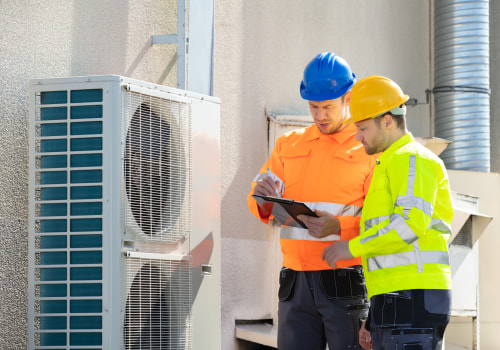
When it comes to maintaining your air conditioning system, the role of an AC maintenance corporation cannot be overstated. These professional services are designed to ensure that your HVAC system operates at peak efficiency, providing you with comfort during the sweltering summer months and saving you money on energy bills.One of the primary benefits of hiring an AC maintenance corporation is their expertise. Trained technicians possess the knowledge and skills necessary to identify potential issues before they escalate into costly repairs.Regular inspections and maintenance can help detect problems such as refrigerant leaks, electrical issues, or worn-out components, allowing for timely interventions.Moreover, these professionals offer a range of services tailored to meet your specific needs. Common offerings include:
- Routine Inspections: Scheduled check-ups to assess the overall health of your AC unit.
- Filter Replacement: Ensuring that air filters are clean and functioning optimally to improve air quality and efficiency.
- Coil Cleaning: Removing dirt and debris from evaporator and condenser coils to enhance heat exchange.
- System Tune-Ups: Fine-tuning your system for optimal performance, which can extend its lifespan.
Regular maintenance can lead to improved energy efficiency, which translates into lower utility bills. Furthermore, by preventing major breakdowns through routine care, homeowners can avoid unexpected repair costs that can arise from neglecting their systems.In conclusion, partnering with an AC maintenance corporation is a wise investment for any homeowner. Not only do these professionals provide essential services that enhance the performance and longevity of your air conditioning unit, but they also offer valuable peace of mind. With a service plan in place, you can rest assured that your home will remain cool and comfortable throughout the hottest months of the year.
Common Myths About Air Conditioning Maintenance Debunked
When it comes to maintaining your air conditioning unit, there are numerous myths and misconceptions that can lead homeowners astray.Understanding the truth behind these myths is essential for ensuring your AC system operates efficiently and effectively. Here, we debunk some of the most common myths about air conditioning maintenance.
Myth 1: Air Conditioning Units Only Need Maintenance When They Break
Many homeowners believe that they only need to call an AC maintenance corporation when their unit shows signs of failure. This is a dangerous misconception. Regular maintenance is crucial to prevent breakdowns and extend the lifespan of your system.Just like a car requires routine check-ups, your air conditioning unit benefits from periodic inspections and servicing.
Myth 2: Changing Filters Once a Year is Sufficient
Another prevalent myth is that changing the air filter once a year is enough. In reality, filters should be checked and replaced every month during peak usage seasons. A clogged filter can restrict airflow, making your system work harder and increasing energy costs. Regularly changing filters not only improves efficiency but also enhances indoor air quality.Myth 3: Bigger Units Are Always Better
Some homeowners assume that a larger air conditioning unit will cool their home more effectively.However, oversized units can lead to short cycling, where the system turns on and off frequently, causing wear and tear. It’s essential to choose a unit that is appropriately sized for your space to ensure optimal performance.
Myth 4: You Can Skip Maintenance if You Have a New Unit
Even new air conditioning systems require regular maintenance. Many people think that because their unit is new, it doesn’t need servicing for several years. However, neglecting maintenance can lead to issues that may void warranties or reduce efficiency over time.Myth 5: All Maintenance Tasks Can Be Done by Homeowners
While some basic tasks like changing filters can be done by homeowners, many maintenance tasks should be left to professionals.Cleaning coils, checking refrigerant levels, and inspecting electrical components require specialized knowledge and tools. Hiring an AC maintenance corporation ensures that these tasks are performed correctly, reducing the risk of future problems.By debunking these myths, homeowners can make informed decisions about their air conditioning maintenance. Regular upkeep not only enhances efficiency but also saves money in the long run by preventing costly repairs and extending the life of the unit.
Frequently Asked Questions About Air Conditioning Maintenance
Maintaining your air conditioning unit can raise several questions, especially for homeowners who want to ensure their systems run efficiently. Here are some of the most frequently asked questions regarding AC maintenance and troubleshooting common issues.How often should I schedule maintenance for my air conditioning unit?
It is generally recommended to have your air conditioning unit serviced at least twice a year.This includes a thorough inspection and cleaning of the system. However, if your unit is older or you live in an area with high dust or pollen levels, you may want to consider more frequent maintenance.
What are the signs that my air conditioner needs repair?
- Unusual noises: If you hear grinding, squealing, or banging sounds, it may indicate a mechanical issue.
- Inconsistent temperatures: If some rooms are cooler than others, it could be a sign of airflow issues or duct problems.
- Increased energy bills: A sudden spike in your energy costs may suggest that your AC unit is working harder than it should.
- Foul odors: Any strange smells coming from your unit can indicate mold growth or electrical issues.
How can I improve the efficiency of my air conditioning system?
To enhance the efficiency of your AC unit, consider the following tips:- Regular filter changes: Replace or clean filters every month during peak usage to ensure proper airflow.
- Clear debris: Keep the area around your outdoor unit free from leaves, dirt, and other obstructions.
- Seal ducts: Inspect and seal any leaks in your ductwork to prevent cool air from escaping.
- Use a programmable thermostat: This allows you to set temperatures according to your schedule, reducing unnecessary cooling when you're not home.
What should I do if my AC is blowing warm air?
If your air conditioning unit is blowing warm air, check the following:- Thermostat settings: Ensure that the thermostat is set to cooling mode and that the temperature setting is lower than the current room temperature.
- Air filter: A clogged filter can restrict airflow; replace it if necessary.
- Refrigerant levels: Low refrigerant levels can cause warm air; this requires professional assistance to check and refill.
Conclusion: Keeping Your Air Conditioning Unit in Top Shape
In conclusion, maintaining your air conditioning unit is not just a matter of convenience; it is essential for ensuring its longevity and efficiency. Regular maintenance can prevent costly repairs, enhance energy efficiency, and improve indoor air quality. By adhering to a consistent maintenance schedule, you can significantly extend the lifespan of your unit and enjoy a comfortable living environment.Throughout this guide, we have discussed various aspects of AC maintenance, including the importance of cleaning or replacing filters monthly, the necessity of professional servicing at least once or twice a year, and the critical role of keeping the condenser coils clean.Each of these tasks contributes to the overall performance of your air conditioning system.Moreover, we highlighted the significance of seasonal preparations, such as clearing debris from around the outdoor unit and ensuring that ventilation grilles are free from obstructions. These simple yet effective practices can prevent potential issues that may arise from neglecting your system.As you consider your air conditioning maintenance strategy, remember that investing in an annual HVAC service plan can provide peace of mind. This proactive approach not only helps in identifying minor issues before they escalate but also ensures that your system operates at peak efficiency throughout its lifespan.Ultimately, a well-maintained air conditioning unit will not only keep you cool during the hot summer months but will also save you money on energy bills and repairs in the long run. By prioritizing regular maintenance and being attentive to your unit's needs, you can enjoy reliable cooling comfort for years to come.In summary, whether you choose to handle some tasks yourself or enlist the help of a professional AC maintenance corporation, staying committed to a maintenance routine is key.
Your air conditioning system deserves the best care possible to ensure it continues to serve you effectively.