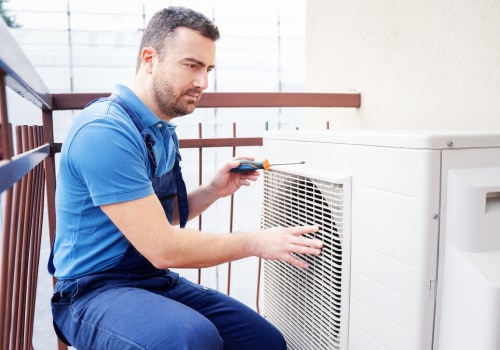
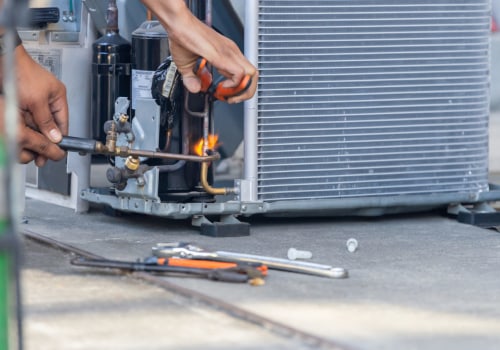
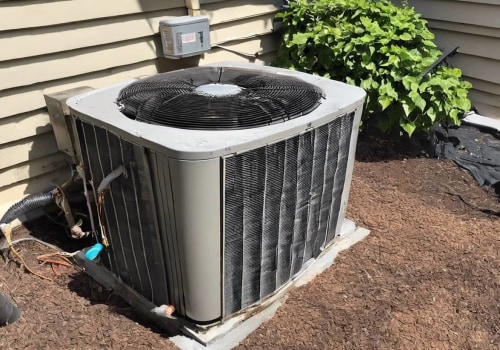
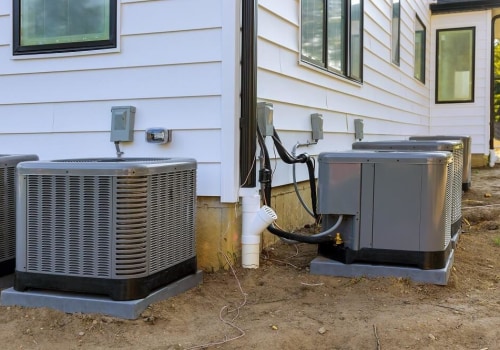
Understanding your HVAC system is essential for any homeowner looking to maximize its lifespan and efficiency. HVAC, which stands for heating, ventilation, and air conditioning, encompasses a variety of systems designed to regulate indoor climate. These systems not only provide comfort but also play a crucial role in maintaining air quality and energy efficiency within your home. By familiarizing yourself with the different types of HVAC systems and their components, you can make informed decisions about maintenance and upgrades.There are several types of HVAC systems available, each tailored to meet specific needs and preferences.
The most common types include central air conditioning systems, heat pumps, furnaces, and ductless mini-split systems. Central air conditioning systems are widely used in residential settings, providing efficient cooling through a network of ducts. Heat pumps serve a dual purpose by both heating and cooling spaces, making them versatile options for various climates. Furnaces are primarily used for heating and can be powered by gas, electricity, or oil.
Ductless mini-split systems offer flexibility by allowing homeowners to control temperatures in individual rooms without the need for extensive ductwork.Each HVAC system comprises several key components that work together to ensure optimal performance. These components include the compressor, evaporator coil, condenser coil, air handler, and thermostat. The compressor circulates refrigerant through the system, while the evaporator coil absorbs heat from the indoor air. The condenser coil releases this heat outside, and the air handler distributes conditioned air throughout your home.
The thermostat acts as the control center, allowing you to set your desired temperature and monitor system performance.By understanding these fundamental aspects of your HVAC system, you can appreciate the importance of regular maintenance and timely repairs. This knowledge empowers you to take proactive steps in caring for your system, ultimately leading to improved efficiency and a longer lifespan.
Average Lifespan of Different HVAC Systems
Understanding the average lifespan of different HVAC systems is crucial for homeowners looking to maximize their investment. Each type of system has its own expected lifespan, influenced by various factors such as usage, maintenance, and environmental conditions.Air Conditioning Systems
On average, an air conditioning system can last between 10 to 15 years. However, this lifespan can be extended with proper care and maintenance.Regularly changing filters, cleaning coils, and scheduling annual professional inspections can significantly enhance the longevity of your AC unit. Additionally, the type of air conditioning system—central air, ductless mini-split, or window units—can also affect its lifespan. For instance, central air conditioning systems tend to have a longer lifespan compared to window units due to their more robust construction.
Furnaces
The average lifespan of a furnace typically ranges from 15 to 25 years. Factors such as the type of fuel used (gas, oil, or electric) and the quality of installation play a significant role in determining how long a furnace will last.Gas furnaces generally have a longer lifespan than oil furnaces. Regular maintenance, including cleaning burners and checking for gas leaks, is essential for ensuring that your furnace operates efficiently throughout its life.
Heat Pumps
Heat pumps
, which serve both heating and cooling functions, usually last between 10 to 15 years. Their lifespan can be influenced by the climate in which they operate; for example, heat pumps in milder climates may last longer than those in extreme temperatures. To maximize the lifespan of your heat pump, it’s important to keep it clean and ensure that it is properly sized for your home.
Overworking an undersized unit can lead to premature failure.In summary, while the average lifespans of HVAC systems provide a general guideline, individual experiences may vary based on maintenance practices and environmental factors. Homeowners should remain proactive in caring for their systems to ensure they achieve optimal performance and longevity.
The Importance of Regular Maintenance
Regular maintenance of your HVAC system is not just a good practice; it is essential for ensuring the longevity and efficiency of your heating and cooling equipment. By scheduling routine service calls with a qualified AC maintenance corporation, you can reap numerous benefits that go beyond mere functionality.Enhanced Efficiency
One of the primary advantages of regular HVAC maintenance is improved energy efficiency. A well-maintained system operates more smoothly, consuming less energy to achieve the desired temperature in your home.
This efficiency translates into lower utility bills, which can significantly reduce your overall energy costs over time.
Prevention of Costly Breakdowns
Another critical benefit of routine maintenance is the prevention of unexpected breakdowns. During scheduled service visits, technicians can identify and address minor issues before they escalate into major problems that require expensive repairs or even complete system replacement. This proactive approach not only saves you money but also ensures that your home remains comfortable year-round.
Improved Indoor Air Quality
Regular HVAC maintenance also plays a vital role in maintaining good indoor air quality. Dust, allergens, and other pollutants can accumulate in your system over time, leading to poor air quality and potential health issues for you and your family.
Routine cleaning and filter changes help to keep these contaminants at bay, ensuring that the air circulating in your home is clean and healthy.
Extended Lifespan of Your System
By investing in regular maintenance, you are effectively extending the lifespan of your HVAC system. Just like any other mechanical equipment, HVAC systems benefit from consistent care. A well-maintained unit can last significantly longer than one that is neglected, allowing you to maximize your investment.
Maintenance Tips
- Schedule Annual Inspections: Aim for at least one comprehensive inspection each year, ideally before the heating or cooling season begins.
- Change Filters Regularly: Replace or clean filters every 1-3 months to ensure optimal airflow and efficiency.
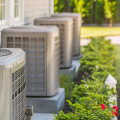
- Keep Outdoor Units Clear: Ensure that outdoor units are free from debris, leaves, and vegetation to maintain proper airflow.
- Monitor Thermostat Settings: Regularly check and calibrate your thermostat to ensure accurate temperature control.
- Listen for Unusual Noises: Pay attention to any strange sounds coming from your HVAC system; these could indicate underlying issues that need professional attention.
Make it a priority to schedule those service calls and implement these maintenance tips to protect your investment and ensure comfort in your home.
Signs That Indicate It's Time to Replace Your HVAC System
As a homeowner, understanding when to replace your HVAC system is crucial for maintaining comfort and efficiency in your home. While regular maintenance can extend the life of your system, there are specific signs that indicate it may be time for a replacement. Recognizing these signs early can help you avoid costly repairs and ensure a comfortable living environment.- Frequent Repairs: If you find yourself calling an HVAC technician multiple times a year for repairs, it may be a clear indication that your system is nearing the end of its lifespan. Frequent breakdowns not only disrupt your comfort but can also add up to significant costs over time.
If repair bills are becoming a regular expense, consider whether investing in a new system might be more economical in the long run.
- Age of the System: The age of your HVAC system plays a significant role in determining its reliability. Most systems have an average lifespan of 15 to 25 years. If your unit is approaching or has surpassed this age range, it’s wise to start planning for a replacement. Older systems are often less efficient and may not meet current energy standards, leading to higher utility bills.
- Inconsistent Temperatures: If you notice that certain rooms in your home are consistently warmer or cooler than others, it could be a sign that your HVAC system is struggling to maintain even temperatures.
This inconsistency can indicate that the system is losing its ability to effectively distribute air throughout your home, which may warrant a replacement.
- Poor Air Quality: A decline in indoor air quality can be another red flag. If you experience increased dust accumulation, musty odors, or respiratory issues, it may suggest that your HVAC system is no longer filtering air effectively. An outdated or malfunctioning system can contribute to poor air quality, making it essential to consider an upgrade.
- Rising Energy Bills: Have you noticed a spike in your energy bills without any changes in usage? An inefficient HVAC system often works harder to maintain desired temperatures, leading to increased energy consumption. If your utility costs are rising significantly, it might be time to evaluate whether replacing your system could lead to better energy efficiency and lower bills.
- Strange Noises: Unusual sounds such as grinding, squealing, or banging coming from your HVAC unit can indicate serious mechanical issues.
While some noises may be resolved with repairs, persistent strange sounds could suggest that the system is failing and may need replacement.
Tips for Maximizing the Lifespan of Your HVAC System
Maximizing the lifespan of your HVAC system is not just about regular maintenance; it involves a comprehensive approach that includes proper usage, quality equipment, and energy efficiency practices. Here are some actionable tips to help you extend the life of your HVAC system:- Invest in Quality Equipment: When it’s time to replace your HVAC system, opt for high-quality models from reputable manufacturers. While the initial cost may be higher, these systems often come with better warranties and are designed to last longer, ultimately saving you money on repairs and replacements.
- Schedule Regular Maintenance: Regular check-ups by a professional HVAC maintenance corporation can catch potential issues before they escalate.
Aim for at least one comprehensive inspection per year, which should include cleaning coils, checking refrigerant levels, and inspecting electrical components.
- Improve Home Insulation: Proper insulation is crucial for reducing the workload on your HVAC system. Ensure that your home is well-insulated in areas like attics, walls, and basements. This will help maintain a consistent indoor temperature and reduce energy consumption.
- Seal Air Leaks: Inspect your home for air leaks around windows, doors, and ductwork. Sealing these leaks with caulk or weather stripping can prevent conditioned air from escaping and unconditioned air from entering, which can significantly reduce the strain on your HVAC system.
- Utilize Programmable Thermostats: A programmable thermostat allows you to set specific temperatures for different times of the day.
This means your HVAC system won’t have to work as hard when you’re not home, leading to less wear and tear.
- Change Filters Regularly: Clogged filters restrict airflow and force your HVAC system to work harder. Check your filters monthly and replace them every 1-3 months depending on usage. This simple task can improve efficiency and prolong the life of your system.
- Limit Unnecessary Usage: Be mindful of how often you run your HVAC system. During mild weather, consider using fans or opening windows instead of relying on heating or cooling.
This not only saves energy but also reduces wear on your system.
The Role of Professional AC Maintenance Corporations
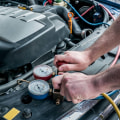
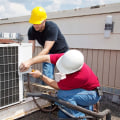
When it comes to maintaining your HVAC system, the expertise of a professional AC maintenance corporation can make a significant difference. These specialized companies offer a range of services designed to keep your air conditioning system running efficiently and effectively. By hiring professionals, you gain access to trained technicians who possess the knowledge and experience necessary to identify potential issues before they escalate into costly repairs.One of the primary advantages of utilizing professional HVAC services is their ability to conduct thorough inspections.During routine maintenance visits, technicians will examine various components of your system, including:
- Filters: Clogged or dirty filters can restrict airflow and reduce efficiency.
- Coils: Dirty evaporator and condenser coils can lead to overheating and increased energy consumption.
- Refrigerant levels: Low refrigerant can indicate leaks, which require immediate attention.
- Electrical connections: Loose or corroded connections can pose safety hazards and affect performance.
Many HVAC companies invest in state-of-the-art diagnostic equipment that allows them to pinpoint issues with precision. This technology not only speeds up the troubleshooting process but also ensures that repairs are done correctly the first time.In conclusion, engaging a professional AC maintenance corporation for regular service and repairs is an investment in the longevity and efficiency of your HVAC system. With their expertise, you can enjoy peace of mind knowing that your air conditioning unit is in capable hands, ultimately leading to a more comfortable living environment and lower energy costs.
Frequently Asked Questions About HVAC Maintenance and Lifespan
Homeowners often have numerous questions regarding the maintenance and longevity of their HVAC systems. Understanding these aspects can significantly impact the efficiency and lifespan of your system.Below are some of the most frequently asked questions about HVAC maintenance and lifespan.
How often should I schedule HVAC maintenance?
It is generally recommended to have your HVAC system serviced at least once a year. For optimal performance, consider scheduling two maintenance visits annually: one in the spring for your air conditioning unit and another in the fall for your heating system. Regular check-ups help identify potential issues before they escalate, ensuring your system runs efficiently.What does HVAC maintenance typically include?
A comprehensive HVAC maintenance service usually includes:- Inspection of all components: Technicians will check the thermostat, electrical connections, and other critical parts.
- Cleaning: Dust and debris can accumulate in your system, so cleaning coils, filters, and ducts is essential.
- Lubrication: Moving parts need lubrication to reduce friction and wear.
- Testing: The technician will test the system's performance to ensure it operates within manufacturer specifications.
What are the signs that my HVAC system needs maintenance?
Several indicators suggest that your HVAC system may require maintenance:- Unusual noises: Sounds like grinding or squealing can indicate mechanical issues.
- Inefficient heating or cooling: If your home isn’t reaching the desired temperature, it may be time for a check-up.
- Increased energy bills: A sudden spike in energy costs can signal that your system is working harder than it should.
How long can I expect my HVAC system to last?
The lifespan of an HVAC system varies based on several factors, including type, usage, and maintenance. On average:- Air conditioners: 10 to 15 years
- Furnaces: 15 to 20 years
- Heat pumps: 10 to 15 years
Can I perform HVAC maintenance myself?
While some basic tasks like changing filters can be done by homeowners, it’s advisable to leave comprehensive maintenance to professionals.They have the expertise and tools necessary to identify issues that may not be apparent to an untrained eye.If you have further questions or concerns about your HVAC system, don’t hesitate to reach out to a qualified AC maintenance corporation. They can provide tailored advice and services to ensure your system remains in top condition.
Conclusion: Investing in Your HVAC System's Longevity
In conclusion, investing in the longevity of your HVAC system is not just a matter of convenience; it is a crucial aspect of maintaining a comfortable and healthy living environment. Throughout this article, we have explored various factors that influence the lifespan of HVAC systems, emphasizing the importance of regular maintenance and timely replacements.By adhering to a consistent maintenance schedule, homeowners can significantly enhance the efficiency and durability of their heating and cooling systems. Regular inspections by a qualified AC maintenance corporation can identify potential issues before they escalate into costly repairs.Simple tasks such as changing air filters, cleaning ducts, and checking refrigerant levels can make a substantial difference in performance.Moreover, understanding the signs that indicate it may be time for a replacement is essential. Frequent breakdowns, rising energy bills, and poor indoor air quality are all red flags that should not be ignored. Recognizing these signs early can save homeowners from unexpected expenses and ensure that they are not left without heating or cooling when they need it most.Additionally, investing in high-quality equipment during replacements can lead to long-term savings. While the initial cost may be higher, energy-efficient models often pay for themselves over time through reduced utility bills and fewer repairs.Ultimately, taking proactive steps to care for your HVAC system will not only extend its lifespan but also improve your overall comfort and health at home.
By prioritizing regular maintenance and being vigilant about potential issues, you can enjoy a reliable HVAC system for years to come.For those who may feel overwhelmed by the responsibilities of HVAC upkeep, partnering with a reputable AC maintenance corporation can provide peace of mind. These professionals have the expertise to ensure your system operates at peak performance while allowing you to focus on other important aspects of homeownership.In summary, your HVAC system is an investment worth protecting. By committing to its care and understanding when to seek professional help, you can maximize its lifespan and enjoy a comfortable home environment year-round.