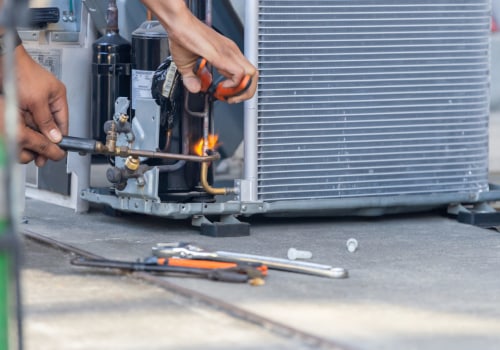
Understanding the intricacies of your car's air conditioning system is essential for maintaining both comfort and performance while driving. The air conditioning (AC) system in your vehicle is not just a luxury; it plays a crucial role in ensuring a pleasant driving experience, especially during the sweltering summer months. At its core, the AC system is designed to cool and dehumidify the air inside your car, making it more comfortable for you and your passengers.The basic components of a car's AC system include the compressor, condenser, evaporator, and expansion valve. The Understanding the intricacies of your car's air conditioning system is essential for maintaining both comfort and performance while driving. The air conditioning (AC) system in your vehicle is not just a luxury; it plays a crucial role in ensuring a pleasant driving experience, especially during the sweltering summer months. At its core, the AC system is designed to cool and dehumidify the air inside your car, making it more comfortable for you and your passengers.The basic components of a car's AC system include the compressor, condenser, evaporator, and expansion valve. The compressor acts as the heart of the system, circulating refrigerant through the various components.
As the refrigerant moves through the system, it undergoes phase changes that allow it to absorb heat from inside the vehicle and release it outside. The condenser cools down the refrigerant after it has absorbed heat, while the evaporator allows the cooled refrigerant to absorb heat from the cabin air, effectively lowering the temperature inside your vehicle.Regular maintenance of your AC system is vital for its longevity and efficiency. Neglecting this aspect can lead to decreased performance, higher energy consumption, and even costly repairs down the line. A well-maintained AC system not only enhances your comfort but also contributes to better fuel efficiency by reducing the load on your engine.
Understanding how your AC works and recognizing its importance can empower you to take proactive steps in maintaining it, ensuring that you stay cool and comfortable on every journey.
Signs That Indicate Your AC Needs Recharging
Recognizing the signs that your car's air conditioning system needs recharging is crucial for maintaining a comfortable driving experience. Ignoring these indicators can lead to more significant issues down the line, so it's essential to be vigilant. Here are some common signs that suggest your AC may be low on refrigerant and in need of a recharge:- Insufficient Cooling : One of the most apparent signs that your AC system requires recharging is when it fails to cool the air effectively. If you notice that the air blowing from the vents is warm or only slightly cool, it could indicate a refrigerant leak or low levels of refrigerant.
This is often the first sign drivers experience.
- Strange Noises : If your AC system starts making unusual sounds, such as hissing, bubbling, or clanking noises, it may be a sign of low refrigerant levels. A hissing sound can indicate a refrigerant leak, while clanking noises might suggest that components within the AC system are not functioning correctly due to insufficient lubrication.
- Frequent Cycling : If your AC unit frequently turns on and off, this could be a sign of low refrigerant. The system may struggle to maintain the desired temperature, causing it to cycle more often than usual. This not only affects comfort but can also lead to increased wear and tear on the system.
- Foul Odors : Unpleasant smells emanating from your AC vents can indicate mold or mildew growth within the system, often exacerbated by low refrigerant levels.
When the air conditioning system is not cooling properly, moisture can accumulate, creating an environment for mold to thrive.
- Visible Leaks : If you notice any fluid pooling under your vehicle or around the AC components, it could be a sign of a refrigerant leak. While some condensation is normal, any significant fluid accumulation should be investigated promptly.
Recommended Frequency for Recharging Your AC
When it comes to maintaining your vehicle's air conditioning system, understanding the recommended frequency for recharging is crucial. Most manufacturers suggest that you should recharge your AC system approximately every two years.This guideline serves as a baseline, but several factors can influence how often you should actually perform this maintenance task.
Manufacturer Recommendations
- Many car manufacturers provide specific recommendations in the owner’s manual regarding the AC recharge schedule. It’s essential to consult this document, as it contains tailored advice based on the vehicle's design and intended use.
- Some manufacturers may suggest more frequent recharges for certain models, especially those equipped with advanced climate control systems that operate year-round.
Environmental Factors
- The climate in which you live plays a significant role in determining how often you should recharge your AC. In regions with extreme heat, the air conditioning system works harder to maintain a comfortable temperature, leading to a faster depletion of refrigerant.
- If you reside in a milder climate, you might find that your system remains effective for longer periods without needing a recharge.
Usage Patterns
- Your personal usage of the air conditioning system also affects its longevity. If you frequently use your AC, especially during hot summer months, it may require recharging more often than the standard recommendation.
- Conversely, if you only use your AC sporadically, such as during occasional heat waves, you might extend the time between recharges.
If you notice reduced cooling performance or hear unusual noises when operating the AC, these could be indicators that it’s time for a recharge. By staying proactive and adhering to these recommendations, you can ensure that your vehicle's air conditioning system remains in optimal working condition.
Factors Influencing AC Recharge Frequency
Understanding the frequency at which you should recharge your car's air conditioning system involves considering several key factors. These factors can significantly influence the performance and longevity of your AC system, ensuring that it operates efficiently when you need it most.Climate Effects on AC
The climate in which you live plays a crucial role in determining how often your AC system requires recharging. In regions characterized by extreme heat, such as the southern United States, your air conditioning unit works overtime to maintain a comfortable temperature inside your vehicle.This increased demand can lead to a faster depletion of refrigerant levels, necessitating more frequent recharges.Conversely, if you reside in a cooler climate where air conditioning is used sparingly, you may find that your system remains effective for a longer period without needing a recharge. In these areas, it’s not uncommon for drivers to go three years or more between recharges.
Usage Patterns of AC
Your personal usage patterns also significantly impact how often you should recharge your AC system. If you rely on your air conditioning year-round, especially in hot climates, the system will naturally experience more wear and tear. Frequent use can lead to a gradual loss of refrigerant, which means you might need to schedule a recharge sooner than the standard recommendation.On the other hand, if you only use your AC during the summer months or on rare occasions, you may find that your system remains effective for longer periods.Regularly using the AC, even in cooler months, can help keep the components lubricated and functioning properly.
Refrigerant Types
The type of refrigerant used in your vehicle's air conditioning system can also influence how often it needs to be recharged. Most modern vehicles utilize R-134a or R-1234yf refrigerants. R-134a is known for its efficiency but can leak more easily if there are any issues with the system. On the other hand, R-1234yf is designed to be more environmentally friendly and may have different properties affecting recharge frequency.Understanding these differences can help you make informed decisions about maintenance and when to seek professional assistance from an AC maintenance corporation.Regular checks and maintenance can help identify leaks or inefficiencies early on, potentially extending the time between necessary recharges.
The Importance of Regular Maintenance for Your AC System
Maintaining your car's air conditioning (AC) system is crucial for ensuring optimal performance and longevity. Regular maintenance not only enhances the efficiency of your AC but also contributes to a more comfortable driving experience, especially during the sweltering summer months. Here are some essential AC maintenance tips and strategies to keep your system running smoothly.Benefits of Regular AC Checks
Conducting regular checks on your AC system offers numerous benefits:- Improved Efficiency: A well-maintained AC system operates more efficiently, which can lead to lower fuel consumption and reduced energy costs.
- Extended Lifespan: Regular maintenance helps identify potential issues before they escalate, prolonging the life of your AC components.
- Enhanced Air Quality: Routine checks can prevent the buildup of mold and bacteria in the system, ensuring that the air you breathe inside your vehicle is clean and healthy.
- Cost Savings: By addressing minor issues early, you can avoid costly repairs down the line, making regular maintenance a wise investment.
Proactive Maintenance Strategies
To keep your AC system in top shape, consider implementing these proactive maintenance strategies:- Regular Inspections: Schedule annual inspections with a qualified technician who can check refrigerant levels, inspect hoses, and assess overall system performance.
- Change Cabin Air Filters: Replace cabin air filters every 12,000 to 15,000 miles or as recommended by your vehicle’s manufacturer. This helps maintain airflow and improves air quality.
- Keep Condenser Clean: Ensure that the condenser is free from debris such as leaves and dirt.
A clean condenser allows for better heat exchange and cooling efficiency.
- Run Your AC Regularly: Even in cooler months, run your AC for about 10-15 minutes every few weeks. This helps keep the system lubricated and prevents seals from drying out.
Frequently Asked Questions About Car Air Conditioning Maintenance
Maintaining your car's air conditioning system is crucial for ensuring a comfortable driving experience, especially during the hot summer months. Here are some frequently asked questions that can help you better understand AC maintenance and troubleshoot common issues.What are the signs that my car's AC needs maintenance?
There are several indicators that your air conditioning system may require attention:- Weak airflow: If the air coming from the vents is weak or inconsistent, it could indicate a problem with the blower motor or a blockage in the ducts.
- Unpleasant odors: Foul smells can be a sign of mold or mildew buildup in the system, which may require cleaning or servicing.
- No cold air: If your AC is blowing warm air, it may be low on refrigerant or have a malfunctioning compressor.
- Strange noises: Unusual sounds when the AC is running can indicate mechanical issues, such as a failing compressor or loose components.
How often should I have my AC system checked?
It is generally recommended to have your car's AC system inspected at least once a year.Regular checks can help identify potential issues before they become major problems. Additionally, if you notice any of the signs mentioned above, it’s wise to schedule an inspection sooner rather than later.
Can I recharge my car's AC myself?
While it is possible to recharge your car's AC system using DIY kits available at auto parts stores, it is advisable to consult with a professional. Improper handling of refrigerants can lead to environmental harm and may cause further damage to your vehicle's AC system.What should I do if my AC is not cooling properly?
If your air conditioning system isn’t cooling effectively, follow these steps:- Check the settings: Ensure that the temperature settings are correct and that the AC is turned on.
- Inspect the cabin air filter: A clogged filter can restrict airflow and reduce cooling efficiency. Replace it if necessary.
- Look for leaks: Inspect hoses and connections for any signs of refrigerant leaks.
- Consult a professional: If these steps do not resolve the issue, it’s best to seek help from an AC maintenance corporation for a thorough diagnosis and repair.
Conclusion: Keeping Your Car's Air Conditioning in Top Shape
In conclusion, maintaining your car's air conditioning system is crucial for ensuring a comfortable driving experience, especially during the hot summer months.Regularly recharging your AC system not only enhances its efficiency but also prolongs its lifespan. As discussed, the general recommendation is to recharge your air conditioning system every two years, but this can vary based on several factors.Understanding the specific needs of your vehicle and the conditions in which you drive can help you make informed decisions about when to schedule a recharge. For instance, if you live in a region with extreme heat or if you frequently use your AC, you may find that more frequent recharges are necessary. Conversely, those in milder climates or who use their AC sparingly might extend the interval between services.It’s also essential to be aware of the signs that indicate your air conditioning system may need attention.
Unusual noises , such as hissing or grinding sounds when the AC is activated, can signal low refrigerant levels. Additionally, if you notice a decrease in cooling performance or if warm air is blowing from the vents, these are clear indicators that a recharge is needed.To keep your AC system in optimal condition, consider incorporating regular checks into your vehicle maintenance routine. This proactive approach can help identify potential issues before they escalate into costly repairs. Furthermore, consulting with an AC maintenance corporation can provide professional insights and services tailored to your vehicle's specific needs.Ultimately, staying vigilant about your car's air conditioning system will not only enhance your comfort but also contribute to the overall health of your vehicle.
By following these guidelines and being proactive about maintenance, you can ensure that your air conditioning system remains effective and reliable for years to come.